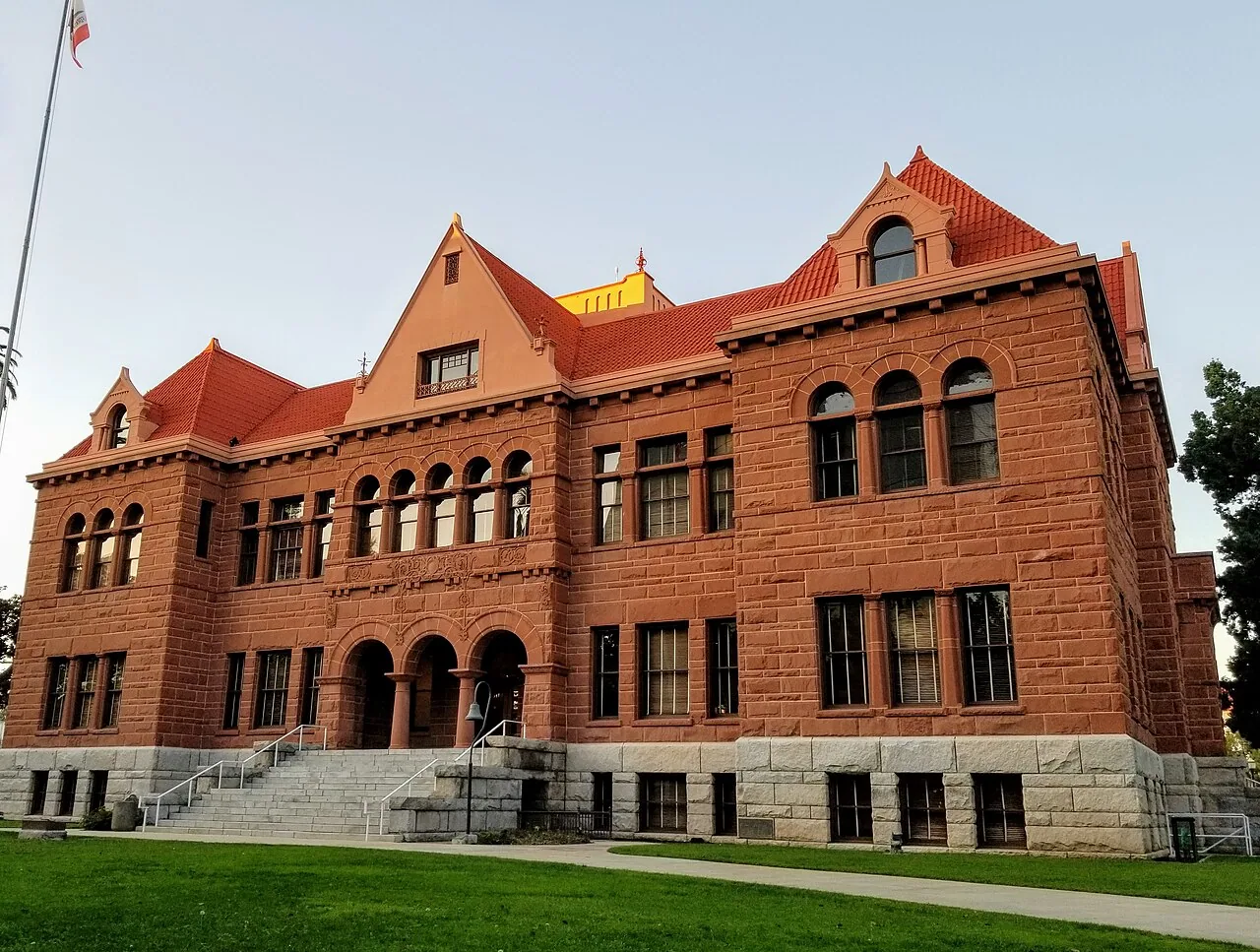
A roof opening changes the schedule for every trade below it. In Santa Ana, CA, we inspect, repair, recover, coat, replace, and maintain commercial roof assemblies, then document the work so the owner and general contractor can track each decision. The first step is a field check: identify the membrane or panel, locate its tie-ins, trace drainage, and record where the assembly changes. A visible stain is useful evidence, but it does not set the repair boundary by itself. We compare interior reports with roof-level conditions and mark what can be seen, what needs testing, and what must remain protected while the decision is made.
The scope is written for the building that is there, not for an assumed roof type or a generic sequence. The owner receives the work limits, access needs, material approach, open questions, and closeout record. That gives the construction team a clear handoff before one trade covers the work of another.
What do we establish before a scope is priced?
Start with available roof plans, prior repair records, leak locations, and access restrictions. On site, we check the field membrane, seams, edge metal, walls, drains, curbs, penetrations, and transitions to older work. We photograph conditions with roof-zone references and note where visibility is limited. If the decision depends on concealed moisture, infrared patterns can guide testing, and approved openings can confirm the layers at selected points. The commercial roof inspection records observations and limits, so an estimate does not treat one stain or one test result as the condition of the entire roof.
We also identify the trade boundary. A curb may need mechanical adjustment before flashing is restored. A drain correction may involve plumbing or interior access. The scope names who must complete each part and when the roofer can close the assembly. If wet insulation or a damaged deck appears during removal, the crew documents it and pauses at the approved decision point before the quantity expands.
Which roof option fits the conditions found?
A contained failure can be repaired when the surrounding substrate and attachment remain suitable. Repeated seam openings, wet layers, deteriorated edges, or drainage changes may call for broader work. We compare repair, recover, coating, and replacement against the actual assembly, not just the visible surface. A recover retains existing layers only when moisture, attachment, height, loading, code, and compatibility support the added system. A coating also needs a stable, prepared surface and compatible details. A recover review and a replacement scope should make different removal limits and tie-ins clear.
Cost and timing follow the scope. Access, material lifts, protection, tear-off, disposal, insulation, curb work, perimeter metal, and occupied-building phases can change the crew sequence. We show those drivers in the estimate and identify concealed conditions that may require owner approval. For immediate water entry, emergency response is available at any hour, including weekends and holidays. The first priority is to protect the building and set a safe boundary for permanent repair.
How is roofing coordinated with an active property?
Roof work has to fit the operating plan below it. We coordinate entrances, delivery windows, equipment shutdowns, tenant notices, interior protection, and debris routes with the facility contact. For a phased project, each zone needs an opening limit, a temporary protection plan, and an end-of-shift closure check. Mechanical and sheet-metal trades need a clear handoff at curbs, penetrations, and perimeter details. The occupied-building sequence can identify which area opens first and how the next trade receives the roof.
Santa Ana’s Metro East is a city-planned mixed-use district with environmental review and a public-space program. That planning context makes it useful to verify shared entrances and access restrictions before work is scheduled. The building contact still sets property rules. We do not infer a roof condition or tenant schedule from a district designation.
What systems can be repaired or installed?
Commercial assemblies differ in how they shed water, attach to the deck, and receive repairs. We work with TPO, PVC, EPDM, KEE, modified bitumen, built-up roofing, standing-seam metal, retrofit metal, spray polyurethane foam, and silicone or acrylic coatings. The material name is only the start. We check the receiving surface, seam method, insulation, cover board, drainage, flashing, and edge termination before selecting details. A TPO roof and a standing-seam system have different movement, fastening, and repair requirements.
When a project specifies a manufacturer, we confirm the submitted assembly and accessories against the approved documents. We do not substitute a familiar product for an incompatible substrate or leave an interface undefined. Product instructions, permit requirements, and field conditions all inform the work plan. The project record identifies the specified materials, the detail used at each opening, and any condition that changed the scope.
How do Santa Ana conditions enter the inspection?
Warm-season heat and seasonal dry winds make seams, perimeters, flashings, and rooftop equipment useful inspection points. Nearby Anaheim climate normals show recurring days above 90 degrees, while National Weather Service material describes Santa Ana winds as dry and most common from September through May. Those facts inform scheduling and the details we check; they do not establish damage at a particular building. We inspect the attachment, surface, and water path before recommending work.
The city’s General Plan separates industrial and light-industrial designations from commercial and institutional uses. The 55 Freeway and Dyer Road focus area is planned for office, commercial, flex-industrial, and research activity. These places help explain why access and trade coordination can differ across the market. For a property in the Santa Ana Industrial Areas or near Dyer Road, we still confirm the building’s actual receiving route, roof records, and operations before setting the work boundary.
What remains after the crew leaves?
Closeout should show the roof zone, materials, completed detail, photographs, exclusions, and any follow-up item. We record what was repaired and what was inspected but left outside the approved scope. That distinction helps facilities staff compare a future leak report with the same seam, curb, or drain. A condition report can preserve those observations; a maintenance visit can check the same locations after weather or trade activity changes the roof.
For a portfolio, use consistent report fields while keeping each property’s findings separate. The roof types, access rules, and capital needs may differ even when the buildings share an owner. We can group inspections by schedule and provide a marked record for each site. A good record does not predict every concealed condition. It does make the inspection limits, owner decisions, and next maintenance step easier to follow.
Where do we coordinate commercial roof work?
We work in Santa Ana and nearby Orange County cities and commercial districts. In Orange, planning documents describe several industrial settings and identify Katella Avenue as a commercial corridor. Fountain Valley’s Crossings plan includes light-industrial and commercial land. These places help orient scheduling, but they do not replace an inspection. We confirm the property address, access window, and operating contact before sending a crew.
Whether the work is in a warehouse, medical office, retail property, school, or civic building, the same field discipline applies: identify the assembly, locate the water path, protect the occupied space, and close each trade handoff. The Fountain Valley service area and the Katella Avenue corridor are among the neighboring places where site-specific access and roof records help make the first visit useful.