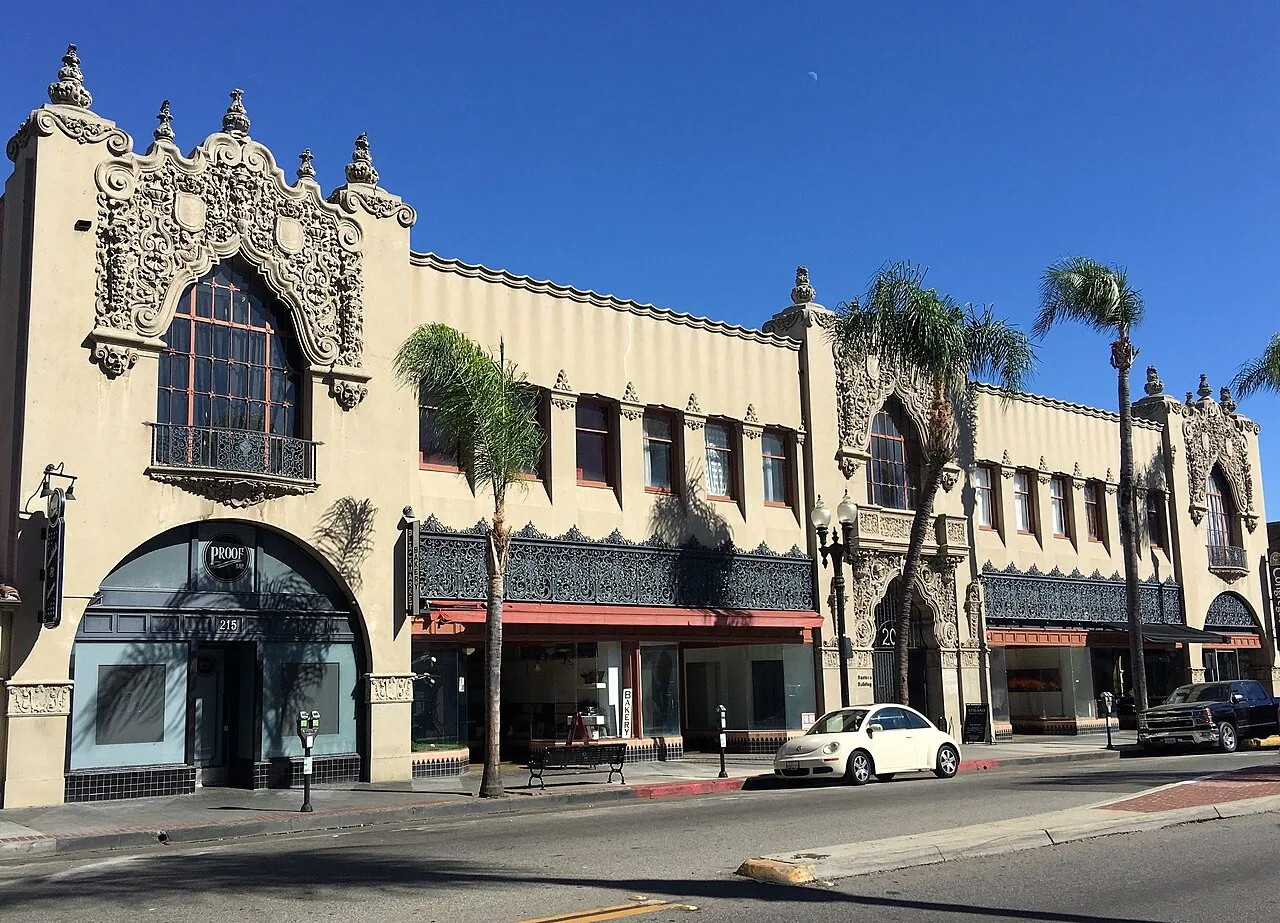
Loose aggregate at a drain can expose the surface, but the condition below it determines the repair. Built-up roofing uses layers of bitumen and reinforcing plies to form a continuous low-slope membrane. We inspect the surfacing, plies, insulation, deck, and transitions before deciding whether to patch, recover, or replace. In Santa Ana, warm-season heat makes it useful to review the exposed bitumen and movement at roof details. Properties in the Santa Ana Industrial Areas still need assembly-specific findings.
Commercial Roof Service555-555-5555
Built-Up Roofing in Santa Ana, CA
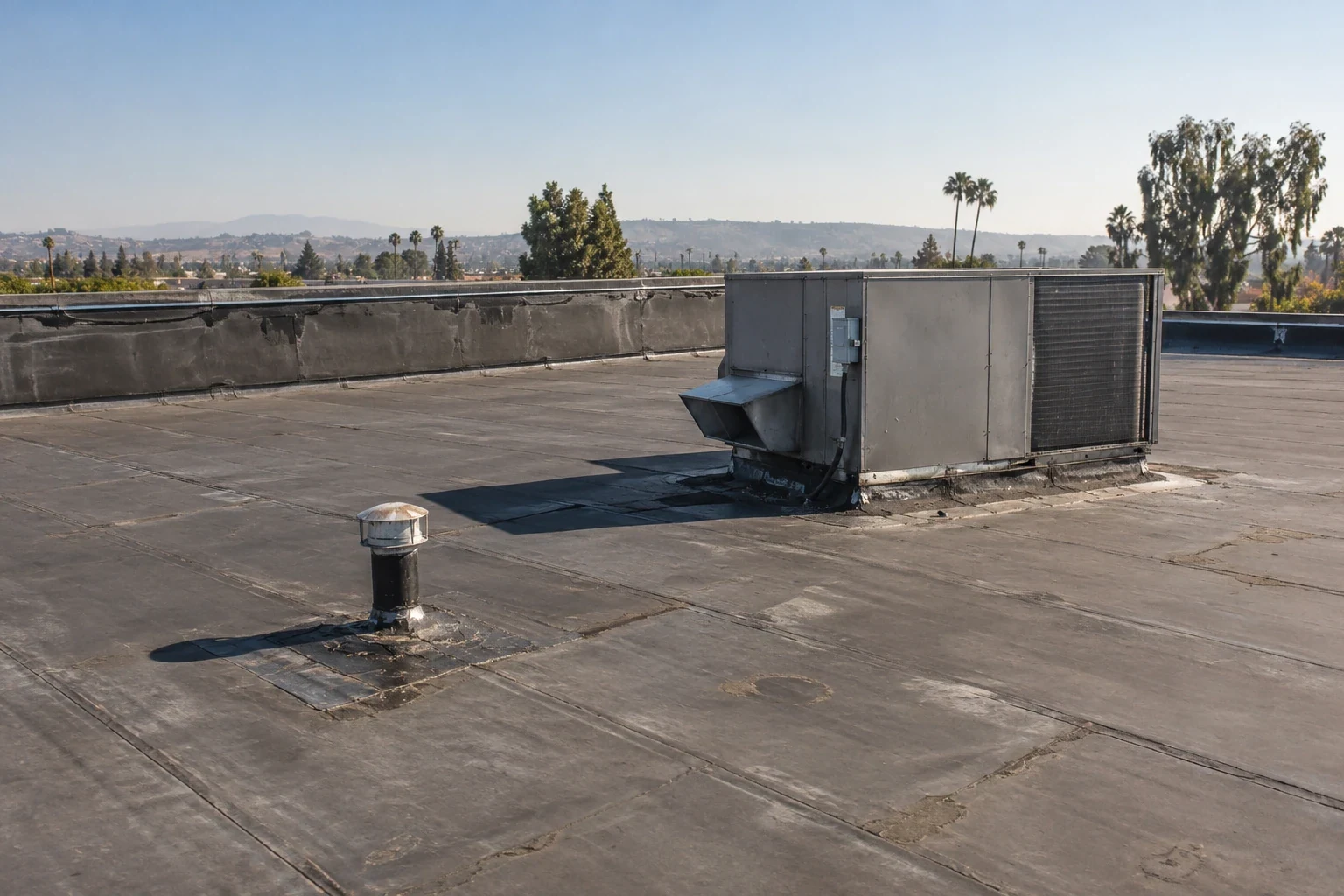
What layers are present in the existing roof?
A built-up assembly may contain several reinforcing plies set in bitumen, with insulation and a cover board below. The surface can be aggregate, a cap sheet, or another specified finish. Confirm the actual construction from records and inspection rather than estimating the ply count from the roof edge. Additions can have different decks, thicknesses, or attachment methods even when the surface appears continuous.
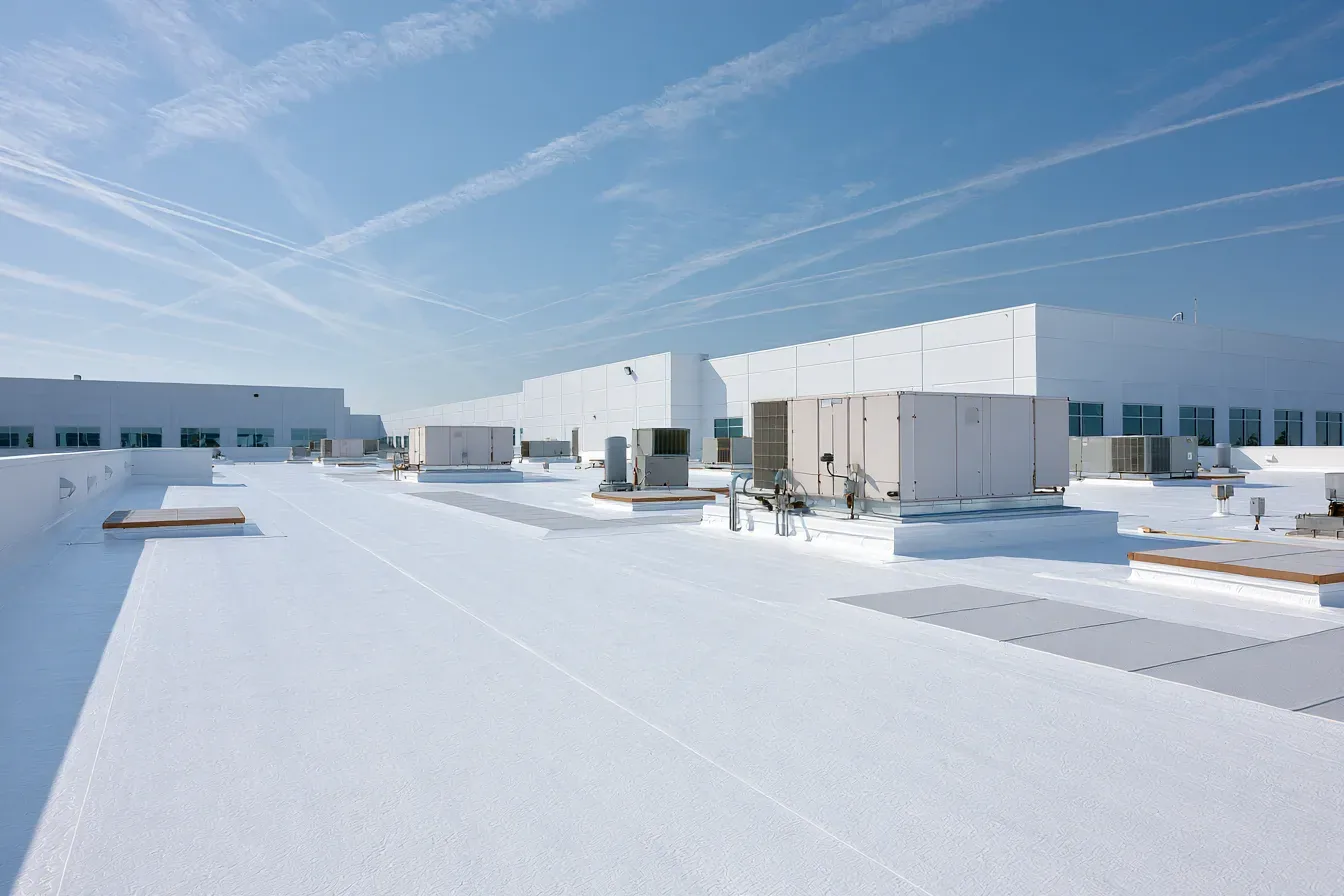
We map the assembly by roof zone and inspect seams, base flashings, parapets, expansion joints, penetrations, and drain bowls. Look for splits, open laps, displaced surfacing, exposed reinforcement, blisters, and repairs that have lifted at their edges. A commercial roof inspection can document visible conditions and mark areas that need testing or an approved opening.
Warm afternoons can soften asphaltic materials, while cooler periods bring contraction. That movement matters at wall lines, curbs, and metal transitions where one material meets another. Record whether the detail is bonded, mechanically secured, or held by a termination. A sound field does not make a loose edge acceptable, and a worn surface alone does not establish that every ply has failed.
Does the surface show a repair problem or deeper wear?
Aggregate can shift or thin where water flows, foot traffic crosses, or service work repeatedly takes place. Smooth surfaces can show cracking, exposed bitumen, or patches with different materials. The location and pattern matter. A small area at a drain may call for a localized repair; repeated deterioration across several zones may indicate that the underlying plies need closer review.
Blisters can hold air or moisture between layers. Do not cut one open before the assembly and protection below are understood. We check its extent, surrounding adhesion, surface movement, and any sign that the deck or insulation is involved. If moisture is suspected, a survey can help define areas for confirmation, but test indications must be interpreted and confirmed before setting removal quantities.
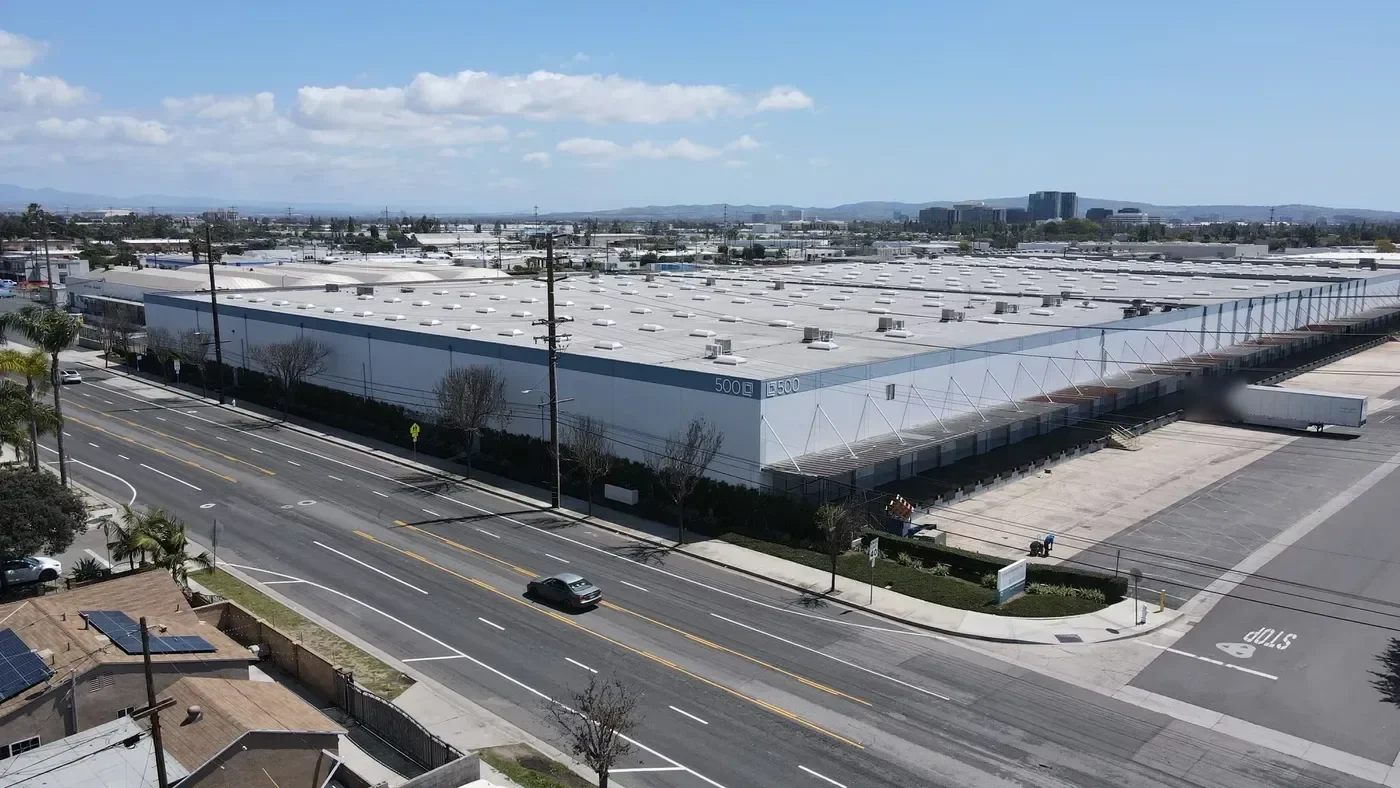
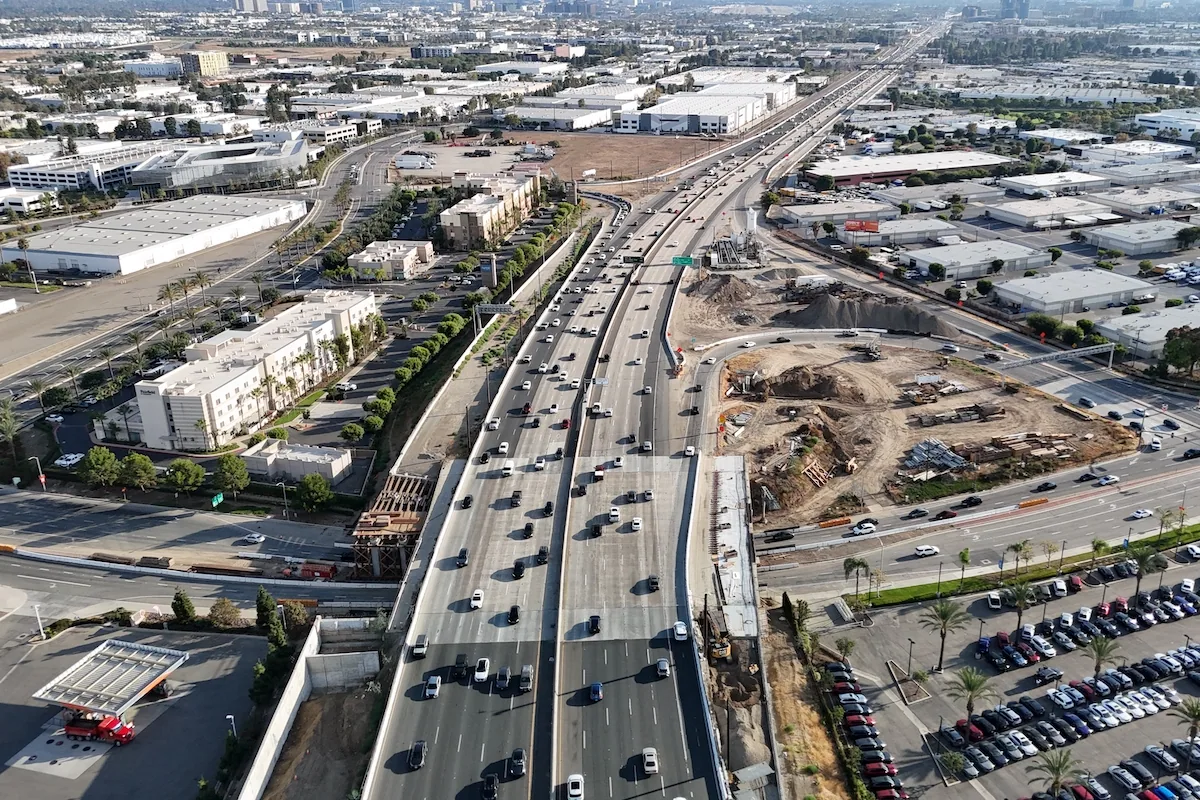
Santa Ana’s commercial and industrial building mix includes different roof exposures and operating conditions. Near the 55 Freeway/Dyer Road Focus Area, office, commercial, and flex-industrial uses can bring different access and rooftop equipment needs. That local context helps plan the visit; the observed surfacing and assembly determine the actual work.
Where can water enter the built-up assembly?
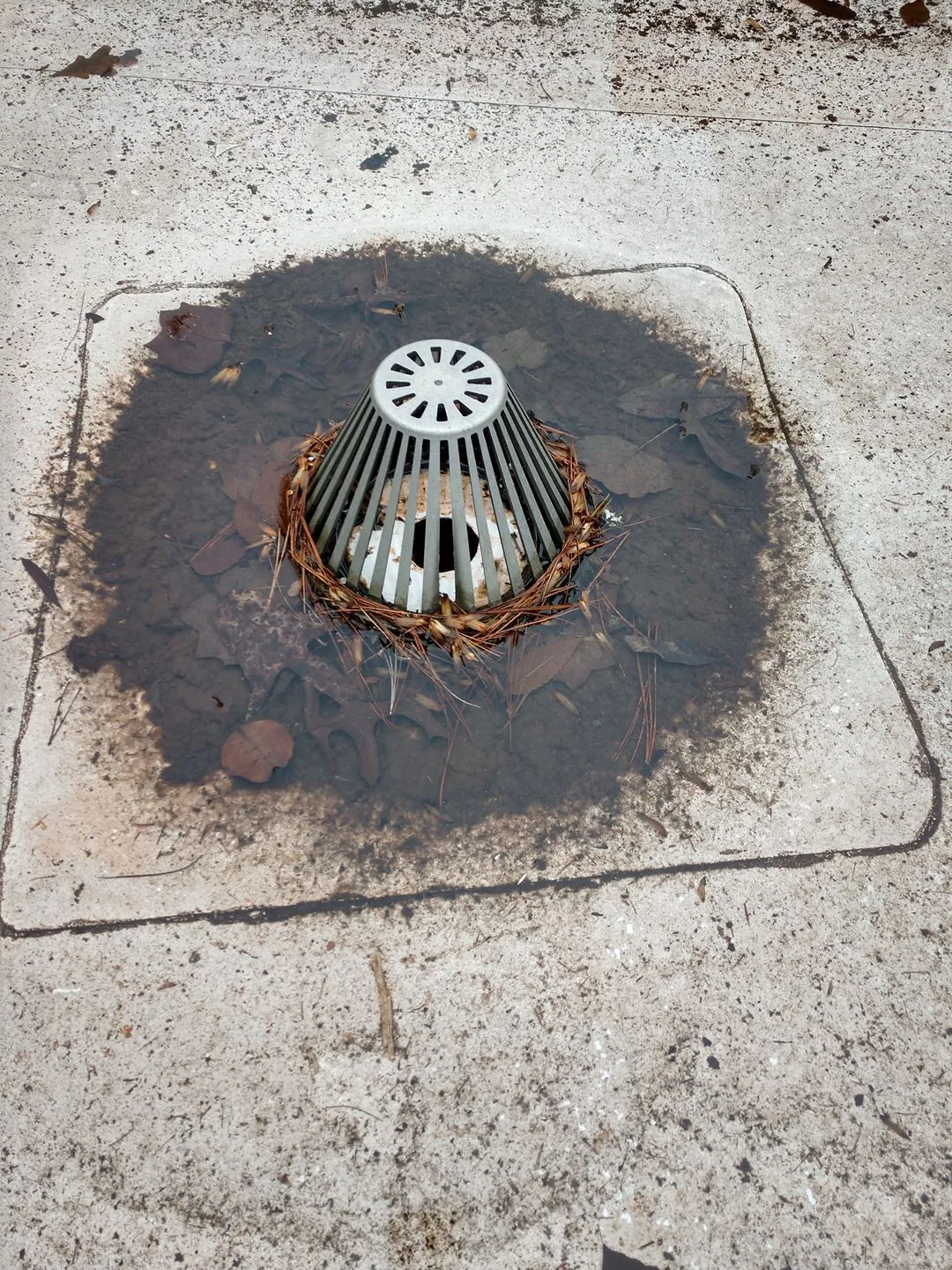
Water commonly reaches the assembly at drains, penetrations, wall transitions, curbs, skylights, and roof edges. Check how the plies turn up the wall and how metal counterflashing protects the termination. At a drain, confirm the clamping ring, bowl, strainer, and surrounding surface. Debris or a raised recover can interfere with flow even if the membrane itself appears intact.
Trace a leak from the interior report to the roof zone above it, then inspect likely paths beyond the stained ceiling. Water can move through insulation or along the deck before becoming visible. A drainage review can identify outlet restrictions, ponding, and details that need adjustment. Keep drains open during repair and verify their flow path after the work is complete.
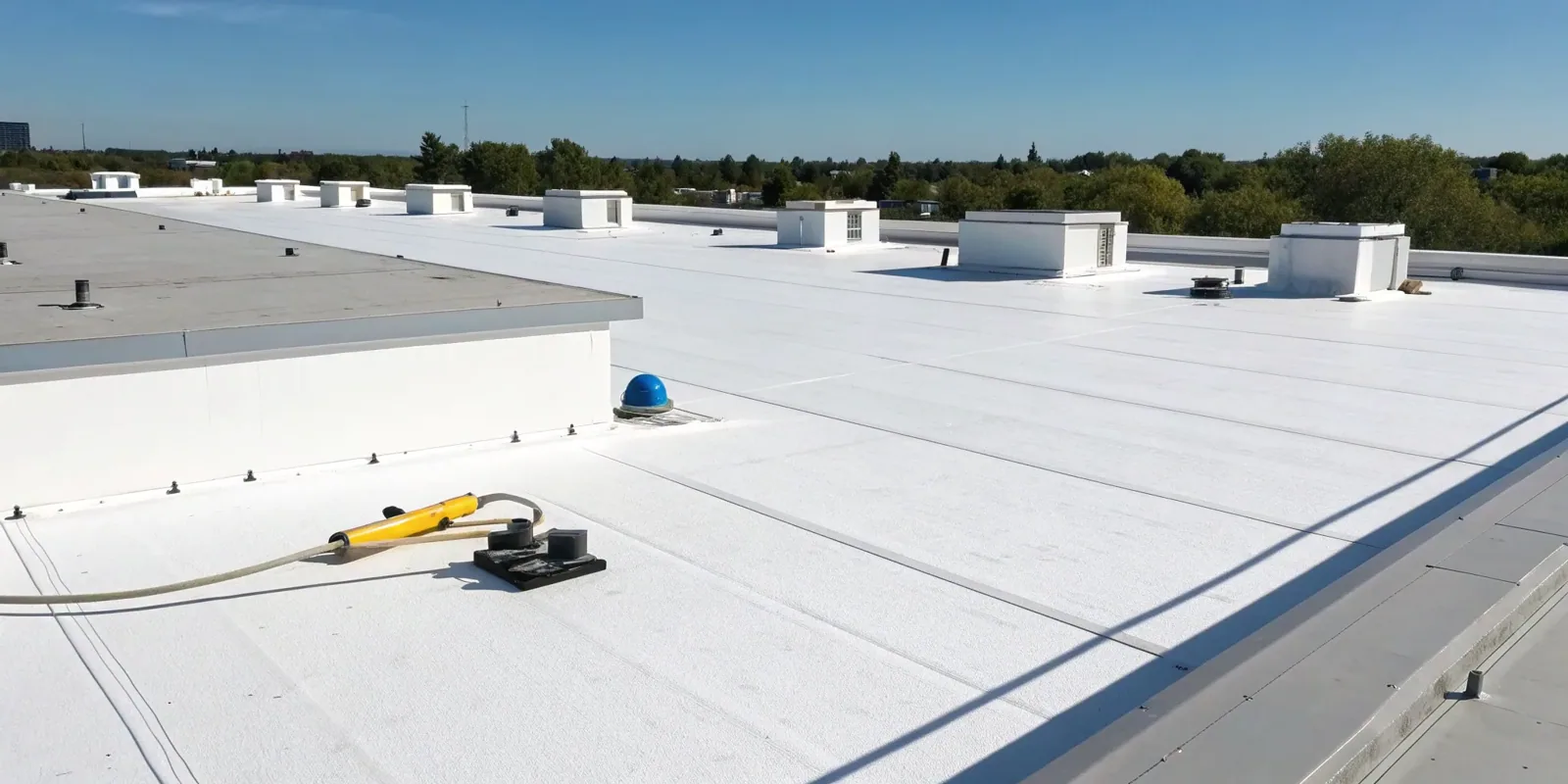
Built-up roofs may meet newer single-ply sections at an addition or prior repair. The transition should account for compatibility, secure attachment, water flow, and movement between systems. A modified-bitumen assembly uses a different sheet construction, while TPO or EPDM brings its own seam and flashing details. Tie each interface to the material actually installed.
What should a built-up roof work plan include?
Set the repair boundary, surface preparation, ply or cap-sheet detail, flashing work, and closure method before materials are staged. For a recover, confirm the existing assembly can receive the added layer and that the resulting height will not obstruct drains, doors, curbs, or edge metal. If removal is needed, identify what protects the building during each shift and who inspects concealed conditions before new layers cover them.
Built-up systems may be installed with hot asphalt, cold-applied materials, or other methods specified for the assembly. The bid documents should identify the approved products and installation controls. Coordinate odor, heat, material lifts, fire protection, and access with the property team. On an occupied site, set the work window and a safe route for staff before the first roof opening.
For replacement, remove only the area that can be inspected and made watertight within the planned phase. Document deck repairs, insulation changes, drain elevations, and tie-ins as they occur. A replacement scope should separate known work from concealed conditions that require approval. If the roof only needs a localized repair, the repair boundary should state what was addressed and what remains under observation.
When does repair give way to broader renewal?
A patch may work when the defect is isolated, the surrounding plies remain bonded, and the insulation and deck are serviceable. Repeated leaks, widespread surface loss, wet material below, or multiple failed transitions can point toward a larger scope. We compare the same roof area and assumptions across repair, recover, and replacement so differences in removal, insulation, drainage, and access are visible.
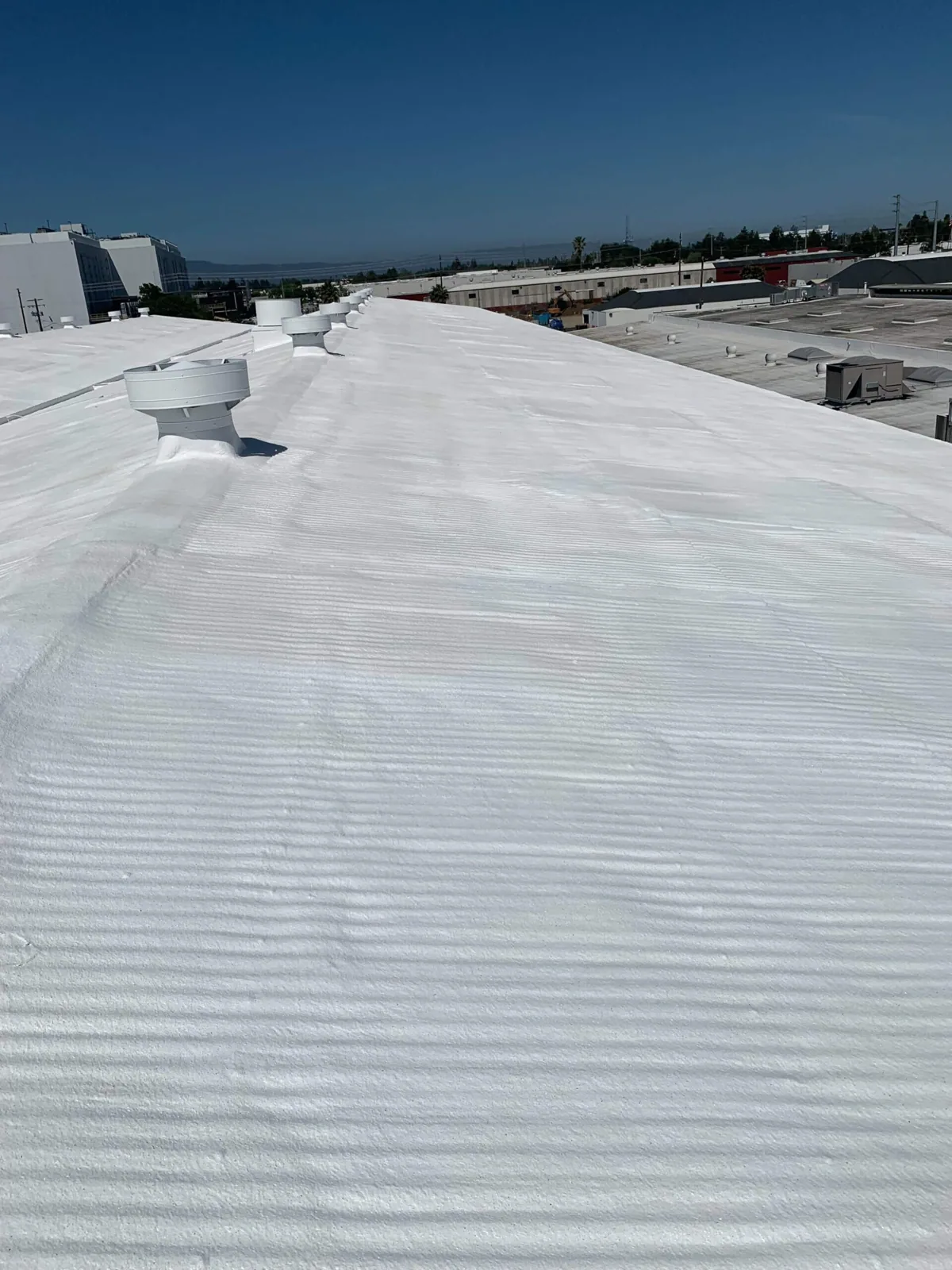
A coating is not a way to bridge a failed substrate or trap moisture in the assembly. Before considering restoration, confirm that the roof is dry enough, stable, and compatible with the selected system. An overlay also changes height and loading; verify drain bowls, parapets, curbs, and edge details. If a recover is not appropriate, document why and identify the repair or removal limits that support the next option.
Schedule matters when the building must remain in service. Sequence noisy or odor-producing work, protect areas below, and define daily closure checks. Keep the property contact informed when concealed conditions change the crew's plan. That record helps the owner compare the technical scope with the time required to complete it.

What should be checked after repair or replacement?
Walk completed areas and review the ply or cap-sheet termination, flashing edges, penetrations, drains, and nearby equipment supports. Confirm there are no open seams, loose surfacing, blocked outlets, or temporary materials left in place. Record the installed materials and repair location on the roof plan. Photographs should identify the zone and show the completed detail from a useful distance and close-up.
Plan follow-up checks after strong wind or heavy rain, and after mechanical contractors return to the roof. Look for displaced edge metal, new punctures, material movement, blocked drainage, and changes near service routes. Use marked walk paths and coordinate future openings before equipment work begins. A repair history that names what was done and what to monitor makes the next inspection more useful.
Bring prior repairs, available assembly records, and current access requirements to a scope review. We can inspect a suspected leak, document the existing plies, or compare repair with renewal. The first visit should establish what can be seen, which details require confirmation, and how to keep the building protected while that work proceeds.
Questions About Built-Up Roofing
It can be replaced where the specified assembly calls for aggregate surfacing and the repair has cured or set as required. The surface must not hide an unresolved seam or flashing defect.
Review installation records and inspect an approved edge or test opening. A surface view alone may not reveal the full layer count.
No. Its size, moisture, adhesion, and relation to nearby defects determine the repair. Confirm the layers below before choosing a patch or larger removal.
Possibly, after checking moisture, attachment, loading, height at drains and walls, and compatibility with the new layer. The inspection should define any areas that must be removed first.
Keep a marked roof plan, product information, repair limits, photographs, drainage notes, and any follow-up item with the building's maintenance record.
Related Roofing Work
 Santa Ana Industrial AreasSee how we handle itLearn More
 Commercial Roof InspectionScope, options and next stepsLearn More
 55 Freeway/Dyer Road AreaWhat the work involvesLearn More
 Commercial Roof Drains and ScuppersSee how we handle itLearn MoreCommercial Modified Bitumen RoofingScope, options and next stepsLearn More
 Commercial TPO RoofingWhat the work involvesLearn More
Review a built-up roof assembly
Share the roof plan, prior repair history, access rules, and reported leak areas. We can inspect the layers and details, then define a useful repair or renewal scope.
Contact Us
Talk to a Santa Ana Commercial Roofer
Tell us about the building, the roof and what you are seeing. An active leak, storm damage, a worn membrane or a replacement you need to budget for, we will set a time to walk the roof.
After the visit you get photos of what we found and a written scope with clear options, so you can decide on repair, coating or replacement with real information in hand.
Call to schedule a roof assessment
Santa Ana, Orange, Tustin, Irvine, Costa Mesa and nearby cities
Request a Roof Assessment
©2026 Commercial Roofers Santa Ana
All Rights ReservedPrivacy PolicyTerms of ServiceSitemap