A roof condition can change a property’s near-term capital plan, but an acquisition file rarely shows every layer or repair boundary. Start with the roof system, inspection date, access limits, and unresolved maintenance items. Santa Ana’s Metro East Overlay is planned for mixed use. Orange’s industrial districts include industrial, office, commercial, and employment properties. Investors reviewing an asset should tie each roof observation to its building rather than infer condition from the district profile.
Commercial Roof Service555-555-5555
Commercial Roofing for Real Estate Investors and REITs in Santa Ana, CA

What should roof due diligence establish?
Confirm the roof age if records support it, system type, insulation and deck details, warranty status, prior repairs, known leaks, and access limitations. Walk the roof when authorized and compare observed conditions with seller documents and maintenance logs. A date on an invoice does not prove that an entire building was replaced. Identify additions or wings that may use another assembly.
Compare the report with the property’s scope of sale, prior capital work, and current tenant activity. If roof access was limited or interior areas were unavailable, list that limitation and the next inspection needed. Check whether the seller’s warranty paperwork matches the building and roof section under review. Record changes made by later trades, including new equipment or penetrations, when records are available.
A roof inspection should describe visible evidence, areas not reached, and any recommended testing. If moisture is suspected below the surface, identify the method used to confirm it. Separate immediate leakage from future renewal planning. A due-diligence report is a time-limited snapshot, not a promise about future performance or a substitute for structural or environmental review.
How should deferred maintenance be classified?
Sort findings into active water entry, temporary repairs, maintenance items, and capital work. A clogged drain or loose flashing may need a documented repair; broad wet insulation or repeated seam failure can require further investigation. Record which findings are observed and which depend on records or testing. Avoid treating all roof issues as a single replacement cost.
For each item, record location, urgency, repair boundary, and the party who can authorize work. If a temporary patch remains, state its age or inspection date only when supported and assign a permanent follow-up. This gives asset managers a clear list for transition planning without inflating risk from an isolated defect or understating a system-wide condition.

How can a roof reserve plan be made more useful?
Use building-specific system records, observed condition, and expected maintenance to support a reserve estimate. Show assumptions for roof area, access, equipment handling, insulation, drainage, edge details, and tenant coordination. Identify what has not been priced, such as deck repairs, interior restoration, or equipment relocation. Keep alternate scopes visible rather than burying uncertainty in one contingency.
Where evidence supports more than one path, show the difference between targeted repairs, a recover, and full replacement only if each is technically suitable. State what condition would disqualify a lower-cost option, such as wet insulation or incompatible materials. This allows ownership to weigh timing and funding without presenting a repair as appropriate before the assembly is checked.
A replacement scope should define phases, tie-ins, material choices, and acceptance records. Separate immediate repair from planned renewal so an investor can decide whether to address a leak before acquisition close or fund a larger project later. The estimate should state its inspection date and whether concealed layers were opened.
What should be checked about leases and access?
Review lease language and property rules for roof access, equipment ownership, notice periods, business hours, and responsibility for interior restoration. Tenants may report leaks or maintain rooftop equipment without controlling the roof. Confirm who can grant access and whether any suite needs protection or temporary closure. Include loading, customer paths, and mechanical shutdowns in the contractor’s schedule assumptions.
Confirm whether the property is in a transition period between seller, buyer, and third-party manager. Name the party that can release records, approve a test cut, schedule a tenant notice, or authorize an emergency repair. Keep those approvals in the transaction file so the roofing contractor is not asked to act on an informal request from a person without authority.
For multi-tenant assets, map shared drains, party walls, and roof additions against the suite plan. A water path may cross lease lines before entering a tenant space. Coordinate notices through property management and document approvals. If an acquisition has vacant or inaccessible areas, state that limit rather than implying the roof above was fully inspected.
How should assets be compared across a portfolio?
Use consistent fields for system, inspection date, condition, known leak history, warranty, planned work, and open questions. Keep individual roof plans and findings distinct. A portfolio score can help rank site visits, but it should not replace the field report or hide differences in assembly. Identify assets where records are stale or access was incomplete.
For a portfolio with mixed industrial and office buildings, compare renewal needs by system and tenant access, not by neighborhood label alone. Two nearby properties may have different roof age, drainage, and repair history. Keep the date and scope of each inspection next to its rating so a portfolio ranking does not appear more current than the underlying field work. Update records after any completed roof work and confirm dates annually.
Investors who also work with property managers or general contractors should assign one contact for access and scope decisions at each building. Keep current contacts, transaction records, and maintenance responsibilities with the asset file. That makes it easier to compare a new estimate with prior work without confusing one property’s repair history for another’s.
Which maintenance records support a better hold plan?
Track drain cleaning, roof walks, equipment service, patches, and inspections with dates and locations. A maintenance schedule should name the task, responsible party, access method, and conditions requiring a new work order. Check that records show completion rather than just a recurring calendar entry.
Before a sale or refinance, organize the roof plan, photos, invoices, warranties, open repairs, and access limitations. Include a short list of decisions that remain with ownership. Buyers can then see what is documented, what is uncertain, and which next step would resolve the uncertainty. Keep conclusions tied to the inspection date and the permitted scope.
What should the investment file preserve?
Retain marked plans, inspection records, dates, photographs, scope alternatives, submittals, repair limits, and closeout documents. Keep original seller records separate from new field observations. If the report identifies an inaccessible area, preserve that limitation with the property so it remains visible during the next transaction.
For assets in Santa Ana, Metro East, or Orange, maintain separate building histories even when the same vendor serves multiple locations. Update the reserve plan only after confirming completed work and actual costs. A clean roof file helps the next owner, manager, or lender understand the basis for each capital decision.
Questions About Real Estate Investors and REITs
No. It documents visible conditions and limitations on the inspection date; future performance depends on the assembly and maintenance.
No. Separate immediate repairs, routine maintenance, confirmed installation work, and items that need further testing.
Check roof plans, repair records, leaks, system changes, warranties, access, and areas the inspector could not reach.
Use consistent fields but keep each building’s assembly, evidence, inspection date, and open questions separate.
Keep the report, date, marked plans, photos, assumptions, repair alternatives, warranties, and unresolved items.
Related Roofing Work
 Metro EastSee how we handle itLearn More
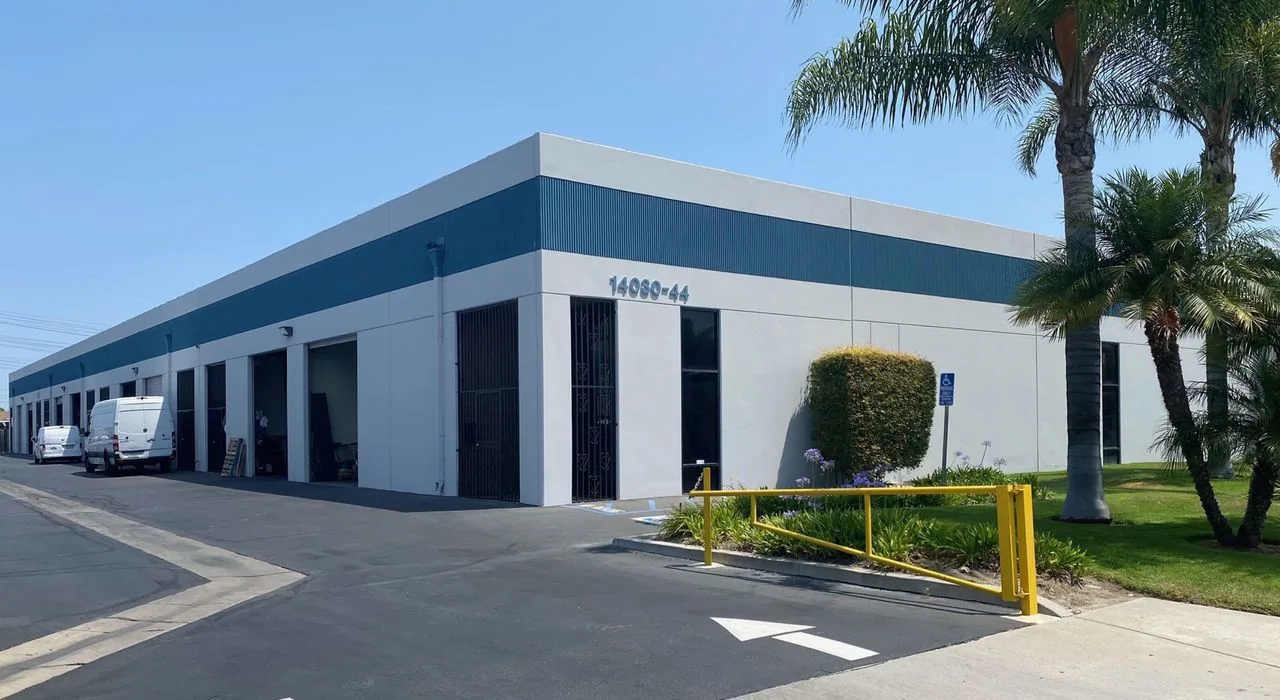 Orange Industrial AreaScope, options and next stepsLearn More
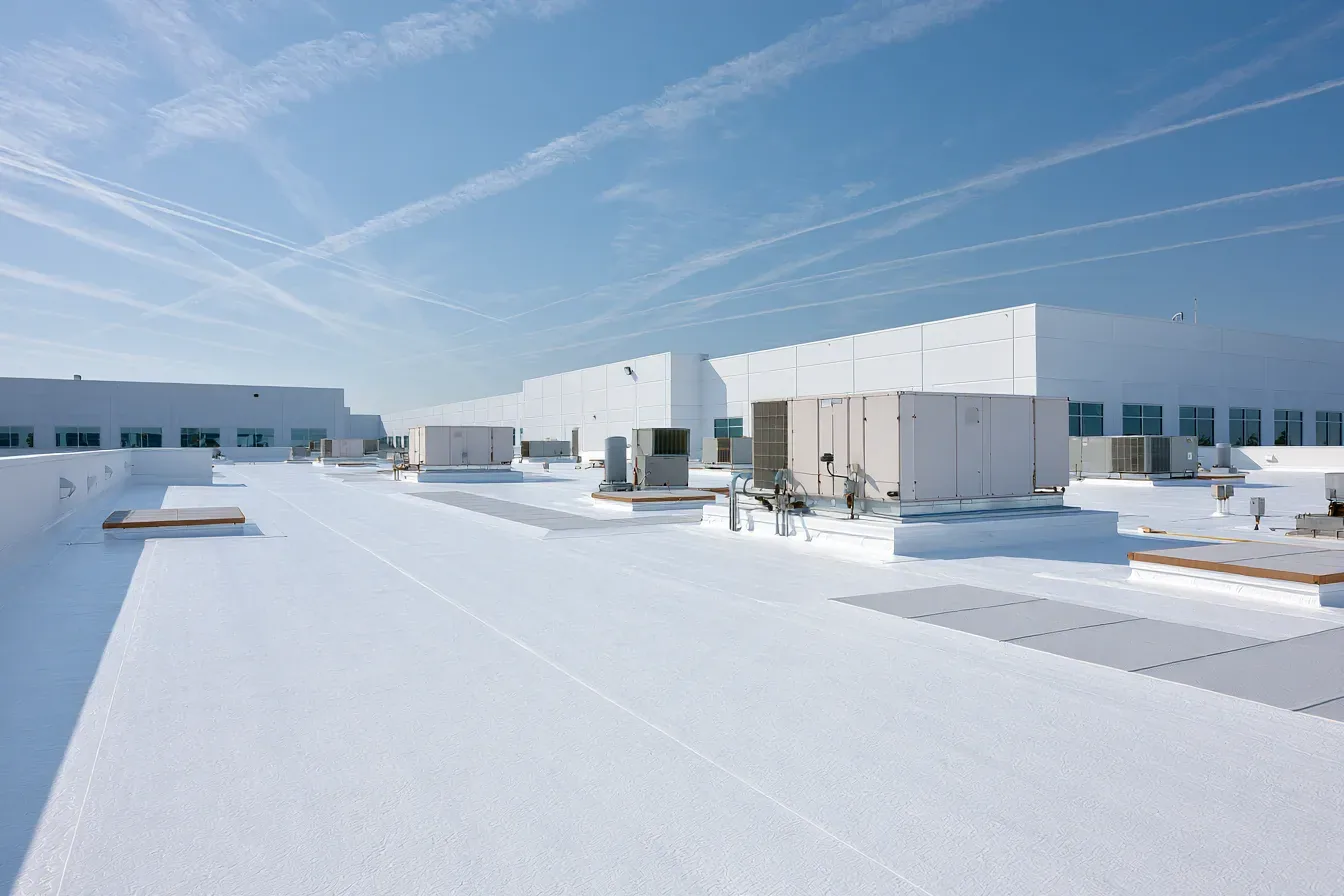 Commercial Roof InspectionWhat the work involvesLearn More
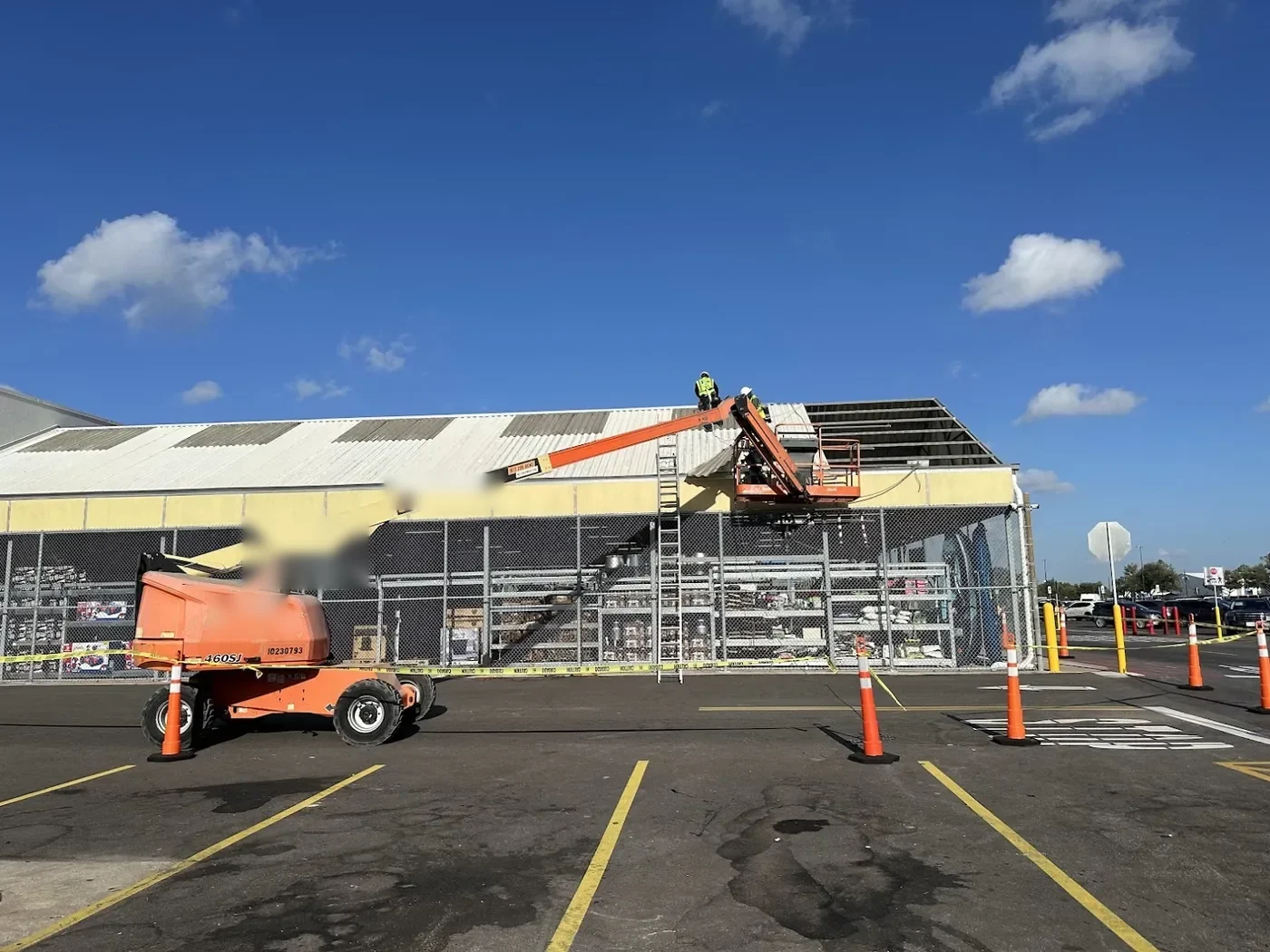 Commercial Roof ReplacementSee how we handle itLearn More
 Commercial Roof MaintenanceScope, options and next stepsLearn More
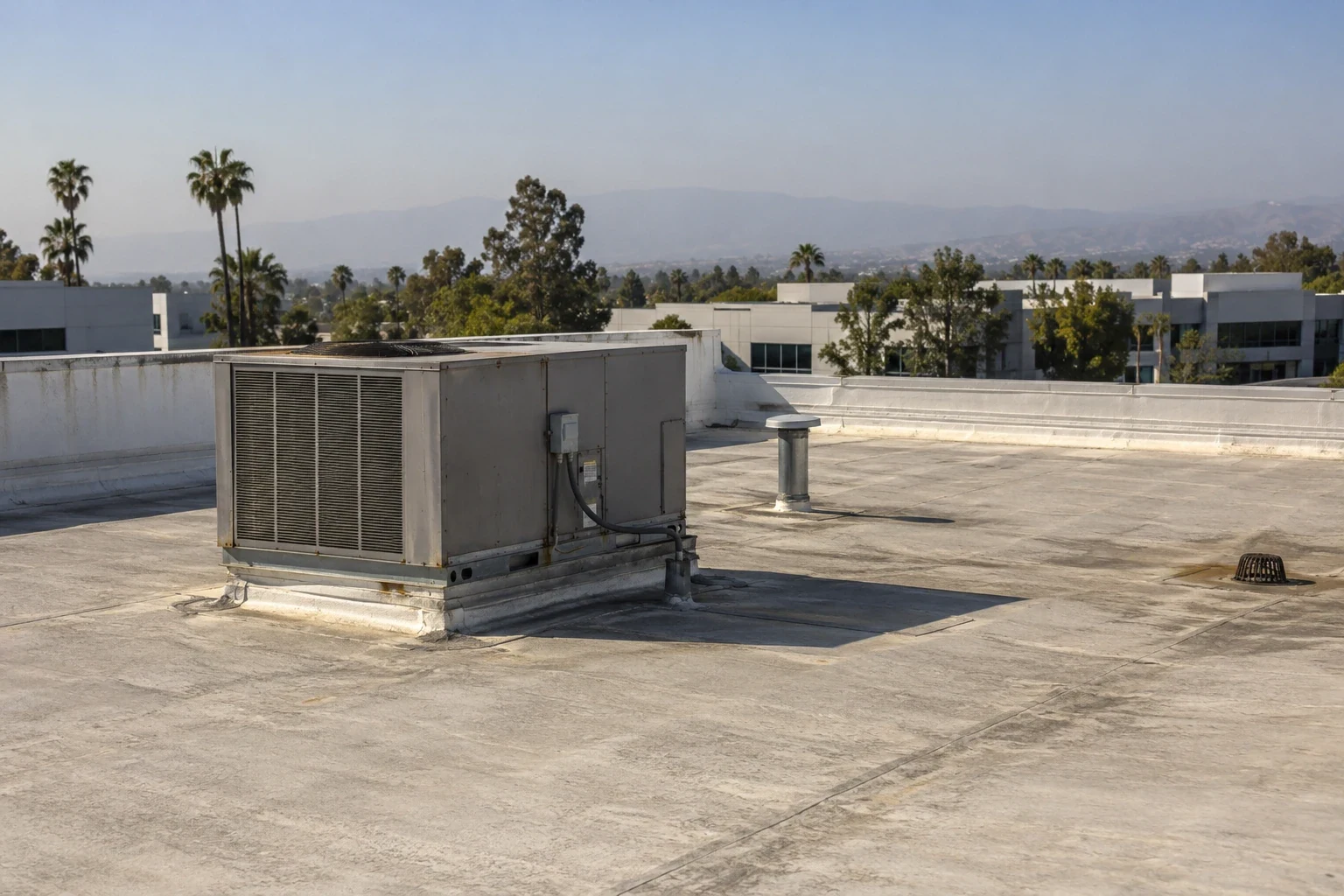 Property Management CompaniesWhat the work involvesLearn More
Ground capital planning in roof evidence
Share asset records, roof plans, leak logs, inspection dates, transaction timing, and access limits. We can assess defined properties and document repair or renewal options.
Contact Us
Talk to a Santa Ana Commercial Roofer
Tell us about the building, the roof and what you are seeing. An active leak, storm damage, a worn membrane or a replacement you need to budget for, we will set a time to walk the roof.
After the visit you get photos of what we found and a written scope with clear options, so you can decide on repair, coating or replacement with real information in hand.
Call to schedule a roof assessment
Santa Ana, Orange, Tustin, Irvine, Costa Mesa and nearby cities
Request a Roof Assessment
©2026 Commercial Roofers Santa Ana
All Rights ReservedPrivacy PolicyTerms of ServiceSitemap