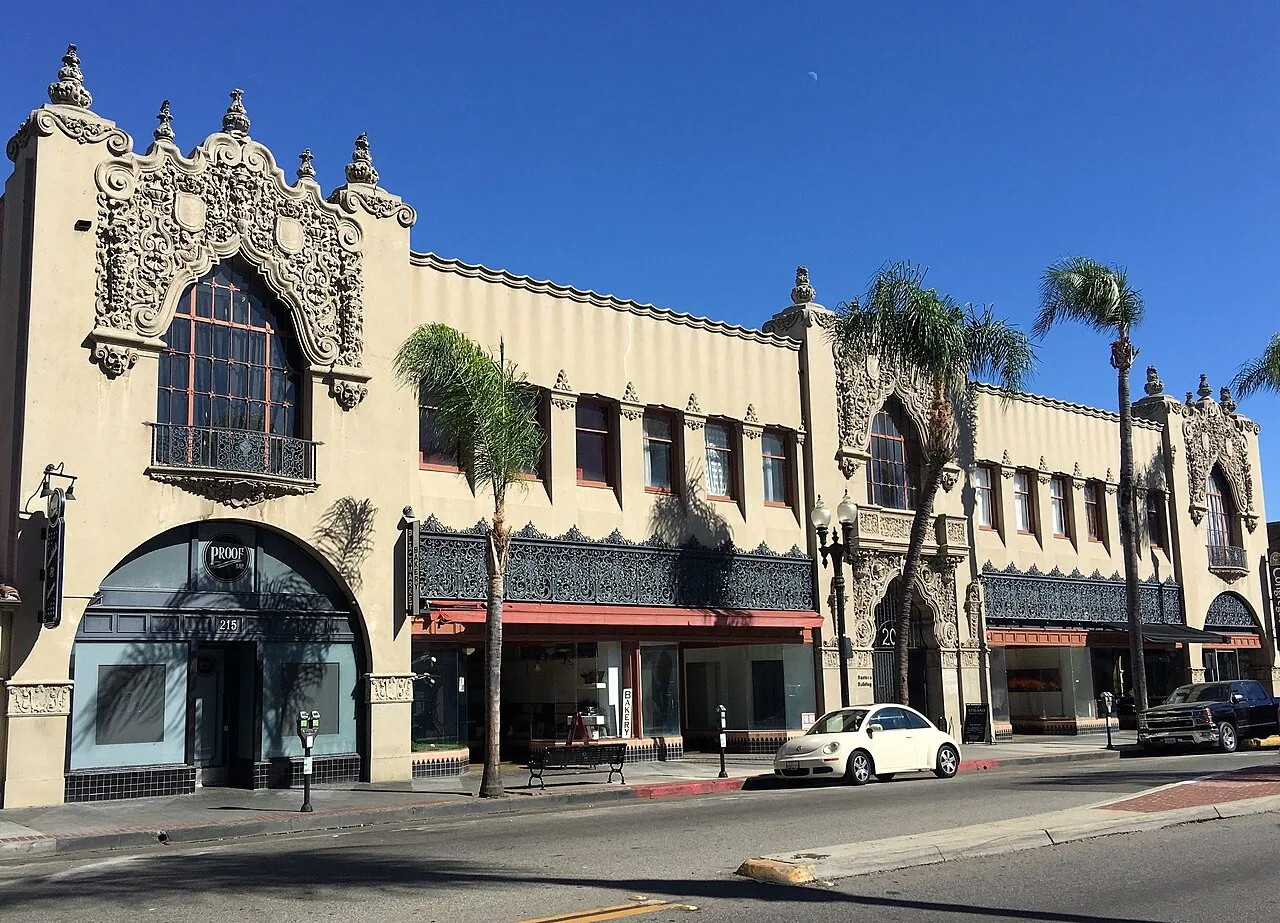
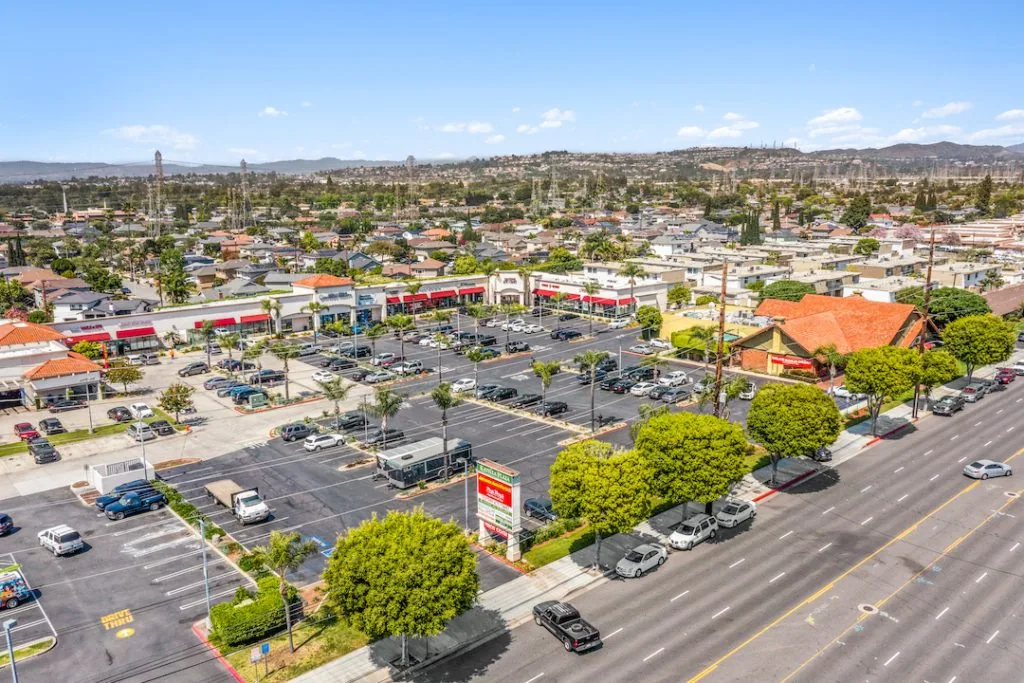
Modified-bitumen roofs are layered assemblies. A repair that reaches only the surface can leave a split in the base sheet, wet insulation, or a loose termination untouched. We identify the plies, reinforcement, surfacing, attachment, and deck before choosing repair or replacement. Nearby Anaheim climate normals place most average rainfall in winter and spring, making drainage and laps worth checking before that season. In Orange’s Katella Avenue corridor, as across Santa Ana’s commercial and industrial properties, access and operations shape the work window. The project still turns on the roof condition, not the neighborhood label.
Commercial Roof Service555-555-5555
Commercial Modified Bitumen Roofing in Santa Ana, CA
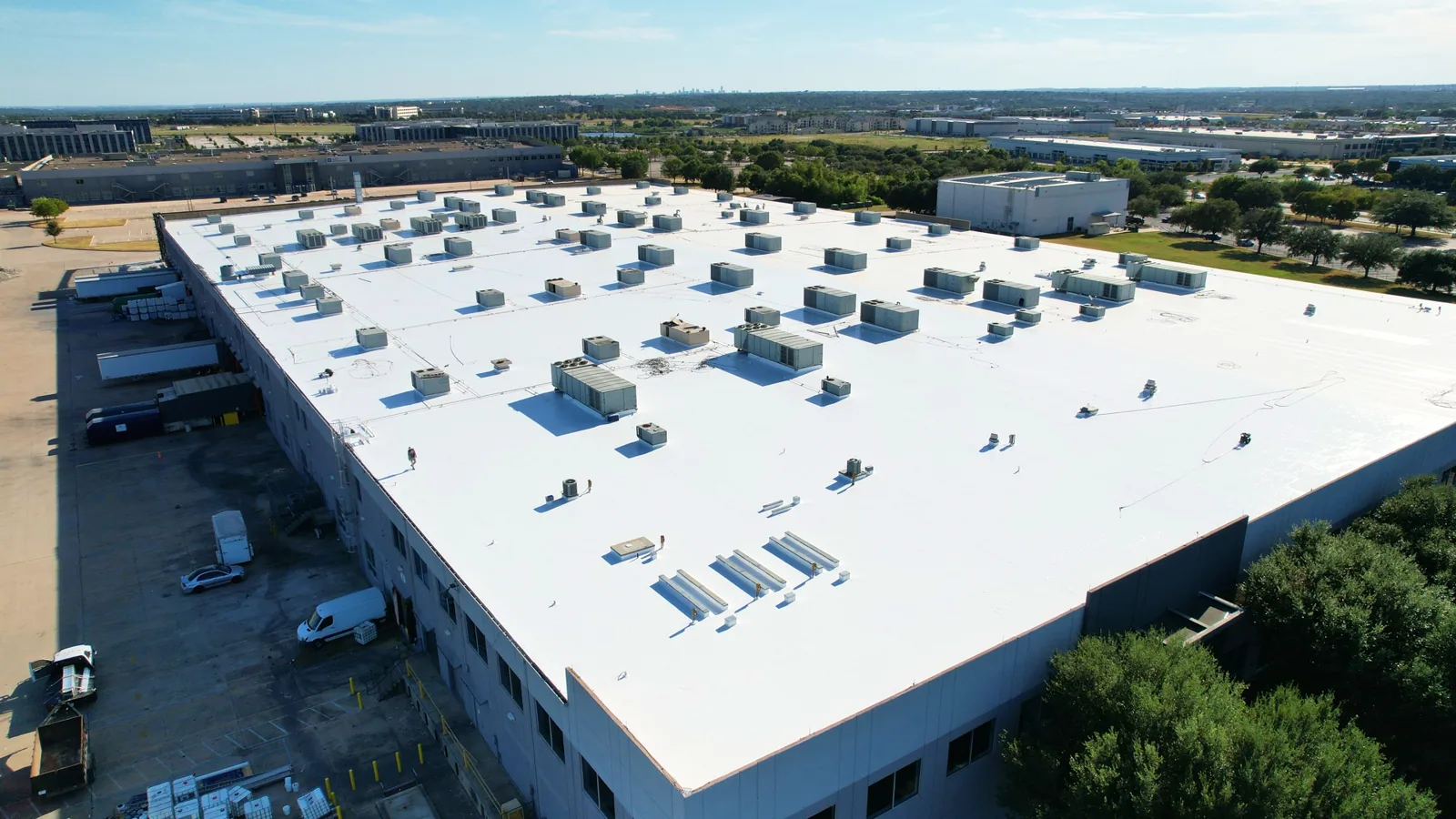
What layers make up the existing roof?
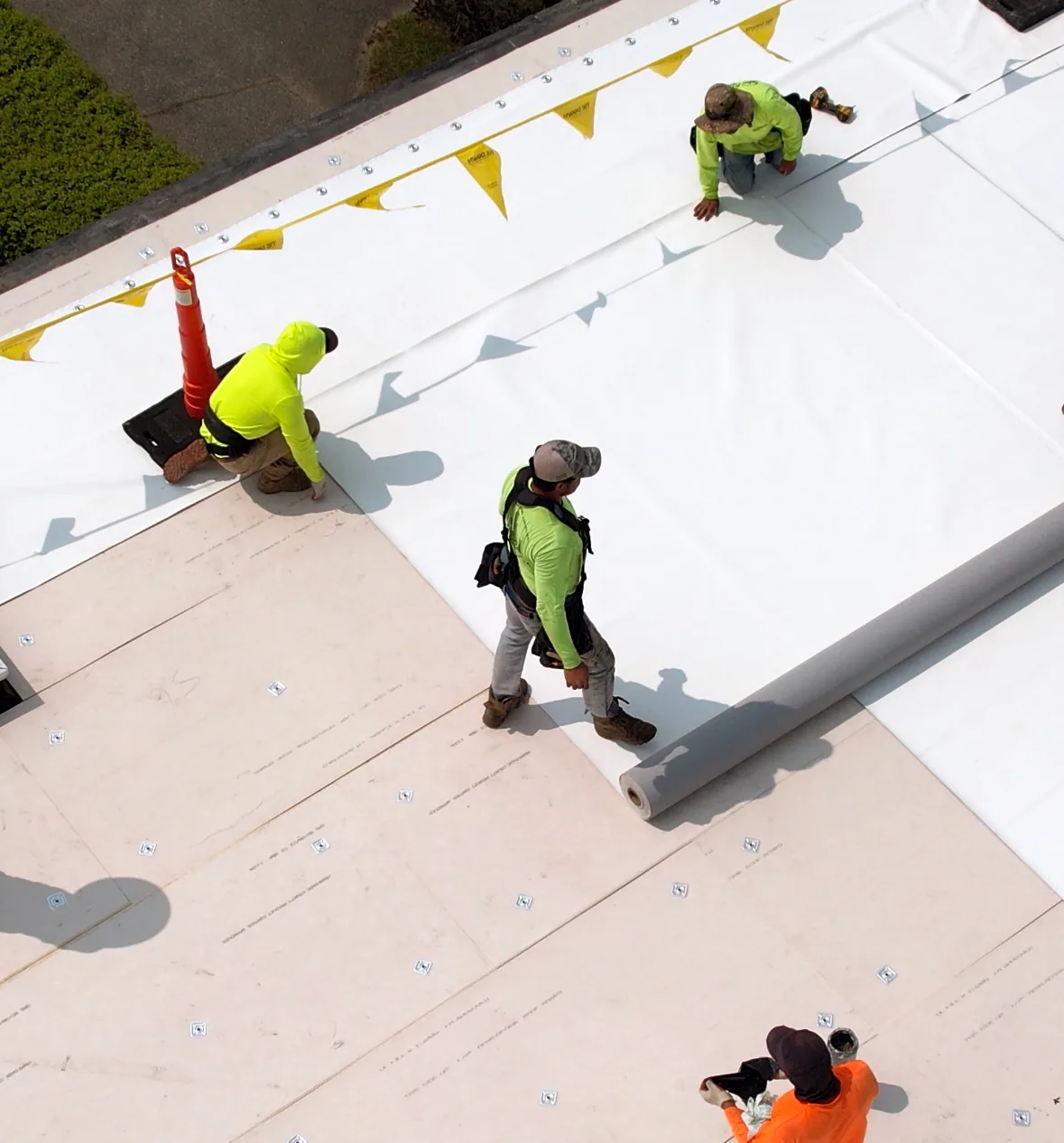
Determine whether the assembly uses a base sheet, one or more reinforcing plies, and a cap sheet, then note the surfacing and attachment. Modified bitumen can be installed using different methods; the product and project detail control whether the work is torch-applied, self-adhered, cold-applied, or another approved approach. Inspect laps, blisters, splits, exposed reinforcement, surface wear, and transitions rather than assuming the same repair fits each condition.
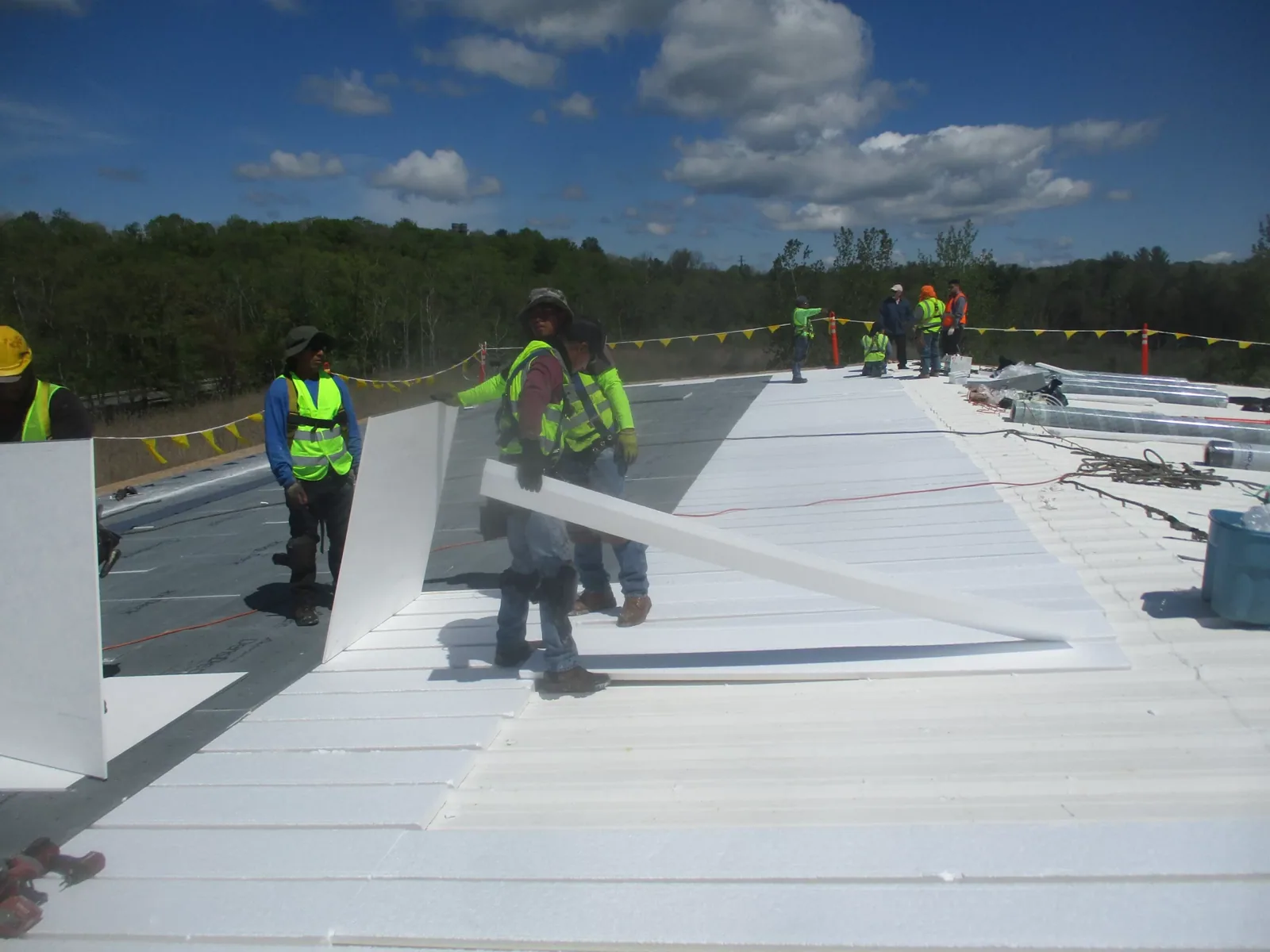
Look beneath the visible surface where moisture, deck movement, or prior repairs may have changed the assembly. A roof inspection can map accessible conditions and recommend approved test openings where needed. Check the insulation and cover board if the membrane is separating or water may have reached the layers below. The insulation review should state what is removed, how the deck is checked, and how elevation changes meet drains and walls.
Which modified-bitumen sheet belongs in the scope?
Compare the specified base and cap sheets, reinforcement, thickness, surfacing, and installation method with the roof’s exposure and use. Product data should identify compatible primers, adhesives, interply materials, and flashing components. If a project requires a particular fire or wind classification, verify that the complete assembly meets it. A cap sheet by itself does not represent the performance of the roof layers beneath it.
Review how the selected product handles expected rooftop traffic and maintenance. Mineral surfacing, coatings, or other finishes need compatible detailing at walk paths and equipment. If the scope includes a new roof over an existing system, check weight, height, drain bowls, parapets, and code requirements. A replacement plan should account for substrate correction and full tie-ins, not just the new sheet quantity. The contractor’s proposal should name the installation method and show where it changes at edges or penetrations.
How do laps and flashing stop water?
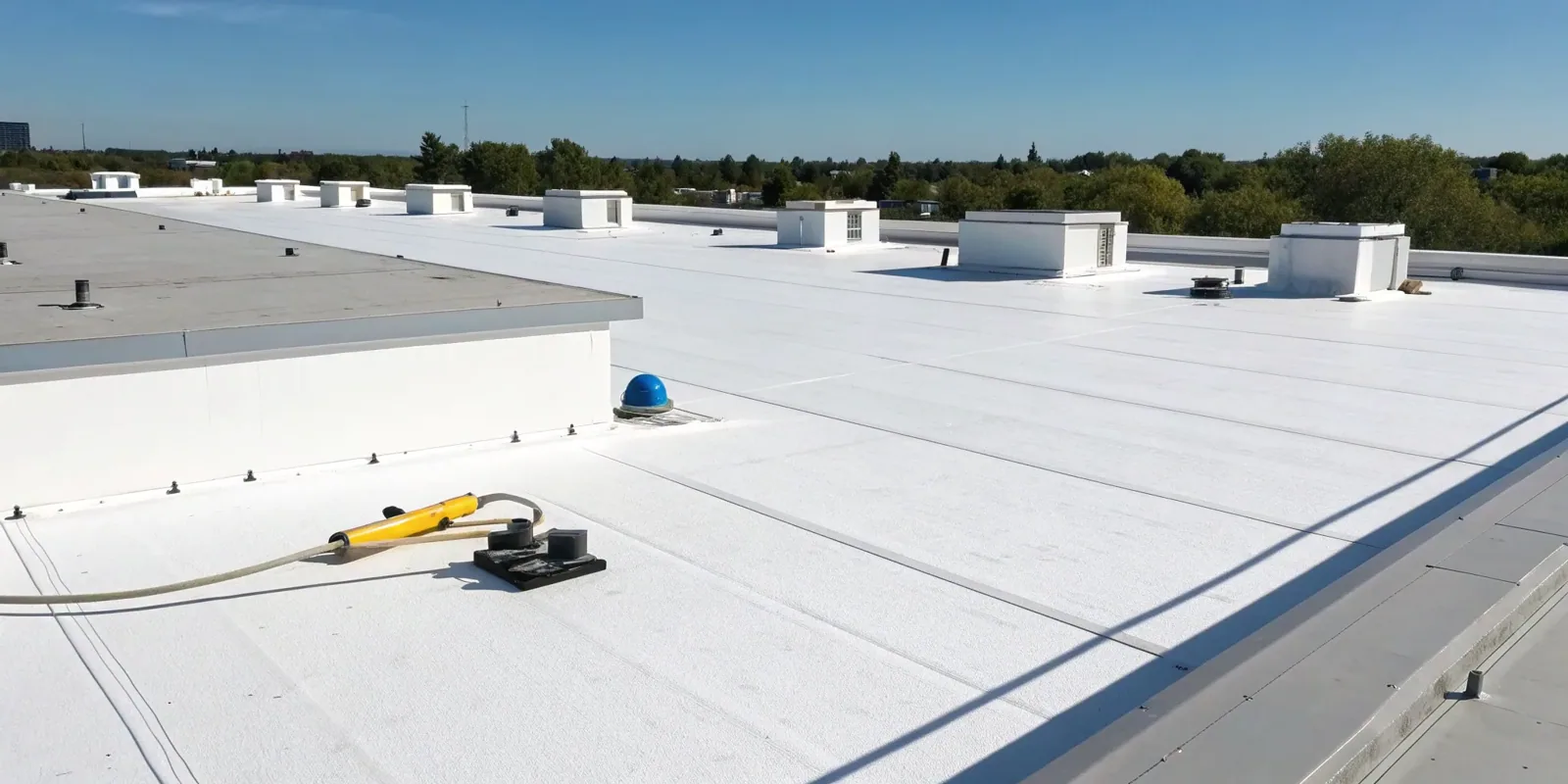
Review side and end laps, direction of water flow, and the order in which plies are installed. An exposed edge facing upslope can catch water; a lap that is not fully bonded can open as materials move. At parapets and curbs, carry the membrane into a detail that terminates securely and protects corners. Around drains, tie the sheet into the bowl or clamping assembly using the specified sequence.
At each penetration, verify curb height and flashing condition before closing the field. A boot or target patch must suit the pipe material and roof assembly. A penetration detail review can identify where equipment work has disturbed the membrane. At the perimeter, edge-metal work should coordinate with the ply termination, cant, and counterflashing. Photograph details before surfacing or metal conceals them.
What does local weather change about the work?
Rainfall is concentrated in cooler months in the nearby Anaheim normals, while July and August are typically much drier. Use that seasonal pattern to plan inspection and project sequencing, but check the forecast and substrate conditions on the actual work date. A wet deck or damp interply surface can interfere with bonding and trap moisture. Keep open areas within the crew’s ability to dry in and protect before work stops.
Heat affects surface conditions and material handling, so follow the manufacturer’s application ranges and storage guidance. Santa Ana winds can also put loose sheets, insulation, and temporary protection at risk during the fall-to-spring season. Secure materials and check the perimeter before leaving an active area. If the project uses torch application, coordinate the required hot-work controls, fire watch, combustible protection, and post-work inspection with the site’s safety plan and contract requirements.
How should the installation sequence be controlled?
Before tear-off, locate drains, stage protection, and identify the authority for approving concealed-condition changes. Remove roof layers in a zone that can be inspected and closed on the same shift. Check the substrate and confirm it meets the detail before new plies cover it. Keep rolls and adhesives stored as directed and separate products that are not compatible. Record the installed materials by roof area.
Sequence sheet work so laps, flashing, and edge terminations remain accessible for inspection. Use the manufacturer’s method to check bond or application, and correct a void before placing the next layer. Keep each crew clear on who owns an opening, temporary closure, and final tie-in. If the work is near active operations, agree on delivery times and safe access with the facility contact. Close the roof and confirm drainage and housekeeping at the end of each shift.
When can a repair work, and what alternatives should be compared?
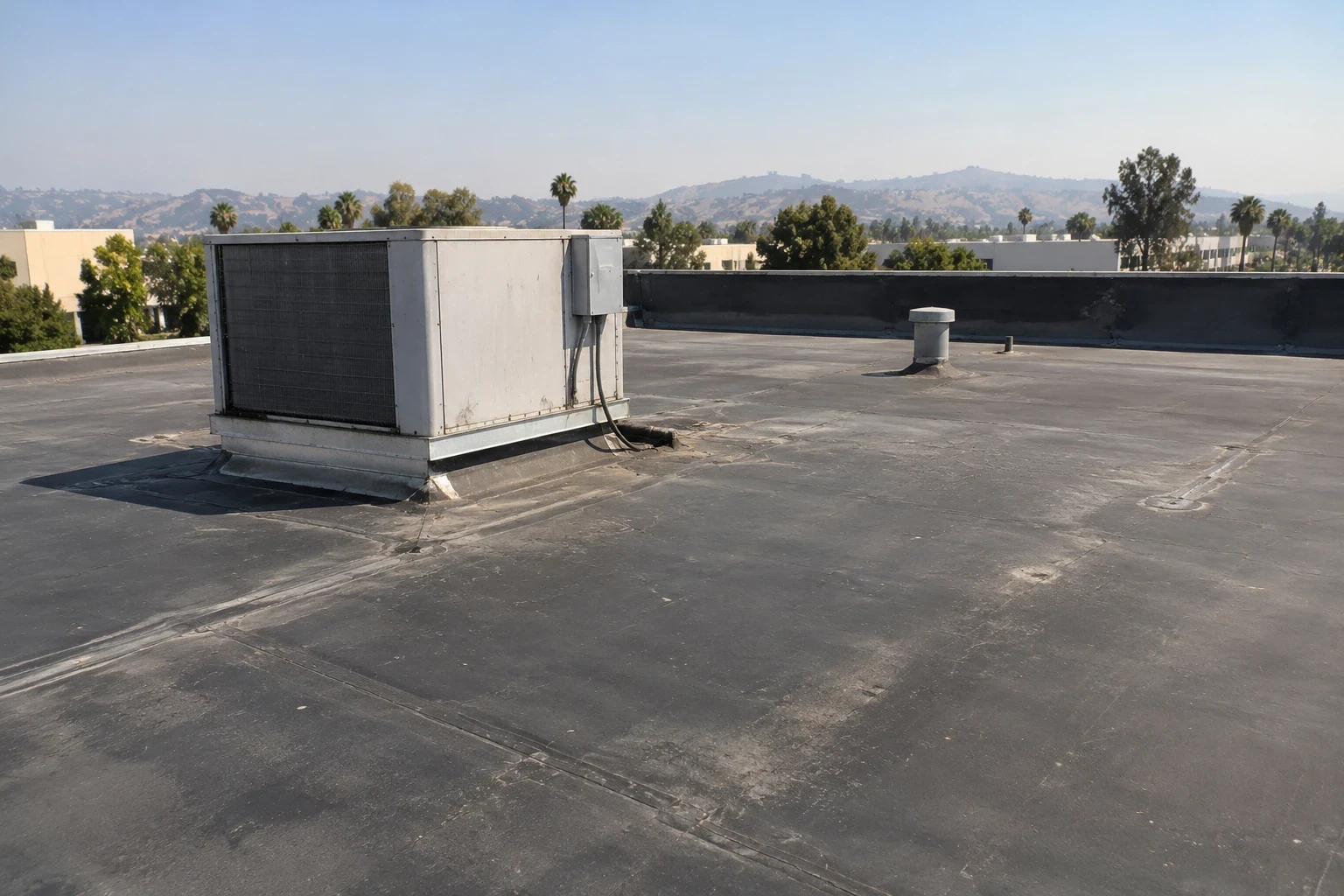
A repair is a candidate when the surrounding assembly is stable and the defect can be traced to a limited area. Remove loose or damaged material far enough to reach sound, compatible layers. Rebuild the section with materials and laps that match the specified system, and check the underlying substrate if the defect suggests water entry. A patch over a moving split or saturated board can fail without correcting the cause.
Record the repair boundary and any roof areas excluded from the work. Repeated leaks at separate seams, widespread blistering, loss of surfacing, or wet insulation may support a larger scope. Compare those findings with the repair option and the replacement approach using the same conditions and detail assumptions. Do not let a single leak report determine a roof-wide recommendation before the assembly has been reviewed.
Compare the assembly by number of layers, attachment, seam construction, surfacing, traffic needs, fire criteria, and how penetrations and edges are completed. Each approach has different maintenance and repair methods. Include insulation, deck condition, removal, access, disposal, and occupied-building sequencing so proposals can be compared on the same basis.
EPDM uses a flexible single-ply sheet with its own seam approach; TPO relies on welded seams. Those differences may matter for a project, but none establishes suitability without reviewing the roof and requirements. A Santa Ana Industrial District property can have different equipment and service traffic from an office roof. Match the assembly to documented use and conditions, then include the selected maintenance method in owner training.
What should be recorded after the work?
Keep product submittals, application records, inspection notes, material information, and photographs tied to a roof plan. Identify repaired substrate, new flashing, changed drain elevations, and field revisions approved by the project team. List remaining observations that were not part of the scope. A closeout package should let a future service crew find each tie-in without guessing which building area a photograph shows.
Walk the completed roof with the owner or general contractor. Review traffic paths, drain access, hot-work restrictions if applicable, and compatible repair procedures. Schedule the first maintenance visit and document any warranty inspection requirements from the actual product terms. A roof condition report can carry forward the baseline. If later construction adds a curb or conduit, require a detail review and protect the new membrane from unplanned cuts.
Questions About Commercial Modified Bitumen Roofing
It is a multi-ply asphalt-based roof system with reinforcing sheets and surfacing. The specified products and installation method determine the assembly.
Often, when damage is limited and the surrounding layers remain sound. Check the substrate and rebuild the repair with compatible materials.
No. Systems use different approved installation methods. Follow the submitted product and project details, including any hot-work controls.
Trace the water path and check outlets, slope, and settlement. Correct the cause and confirm the new detail does not block drainage.
Consider replacement when defects are widespread, layers are wet, or attachment and seams are failing across the roof. Confirm the extent through inspection.
Related Roofing Work
 Katella Avenue CorridorSee how we handle itLearn More
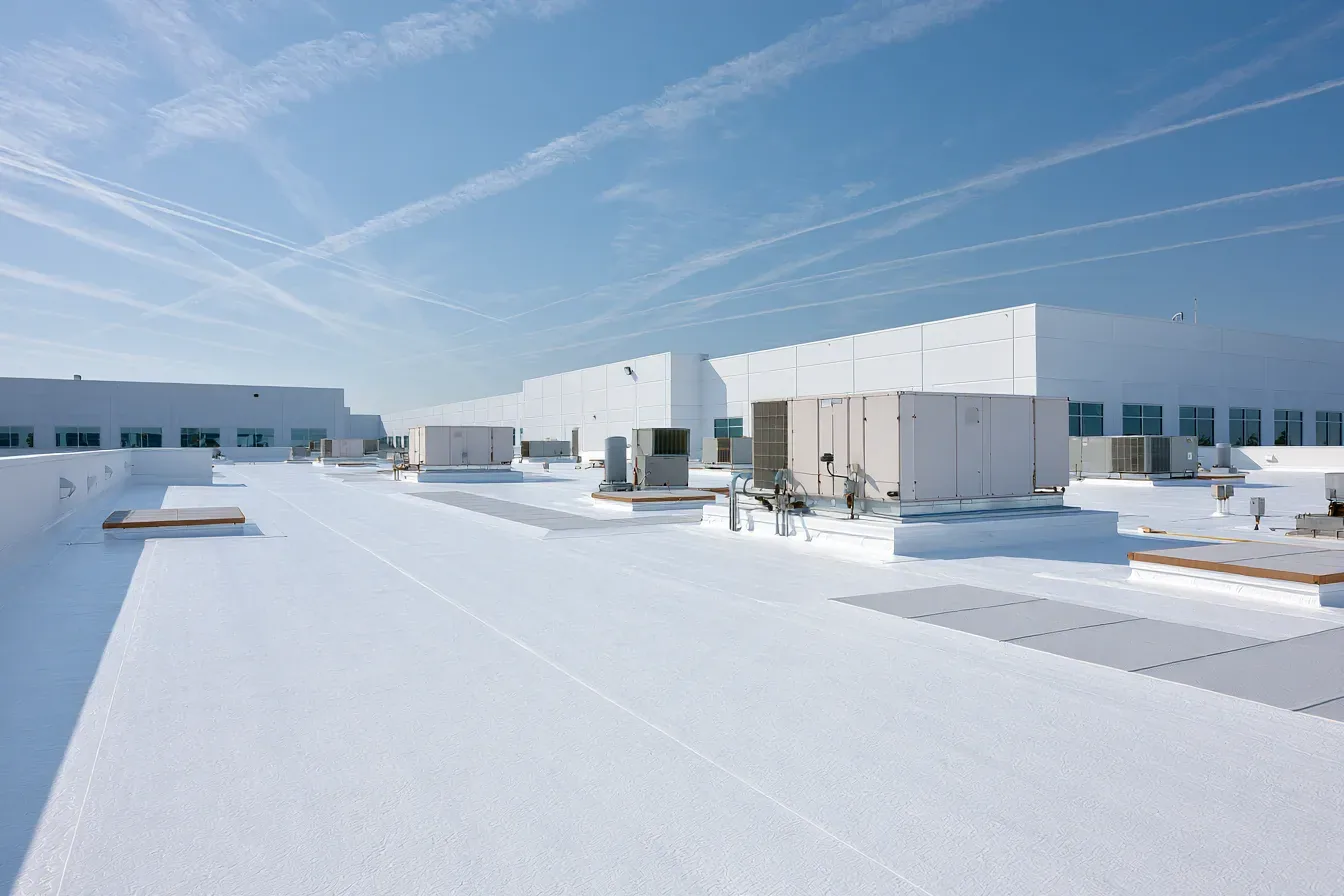 Commercial Roof InspectionScope, options and next stepsLearn More
 Commercial Roof Insulation and Cover BoardWhat the work involvesLearn More
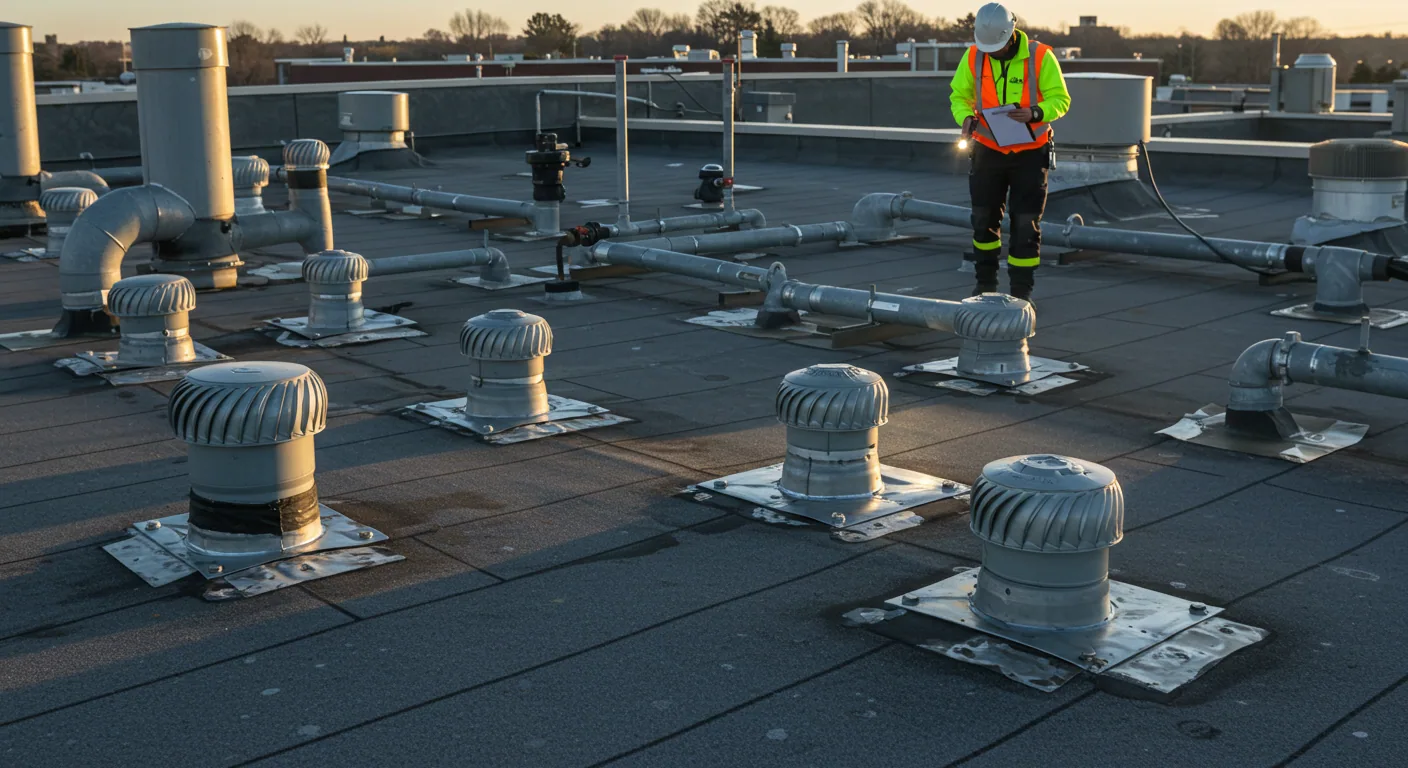 Commercial Skylight and Penetration FlashingSee how we handle itLearn More
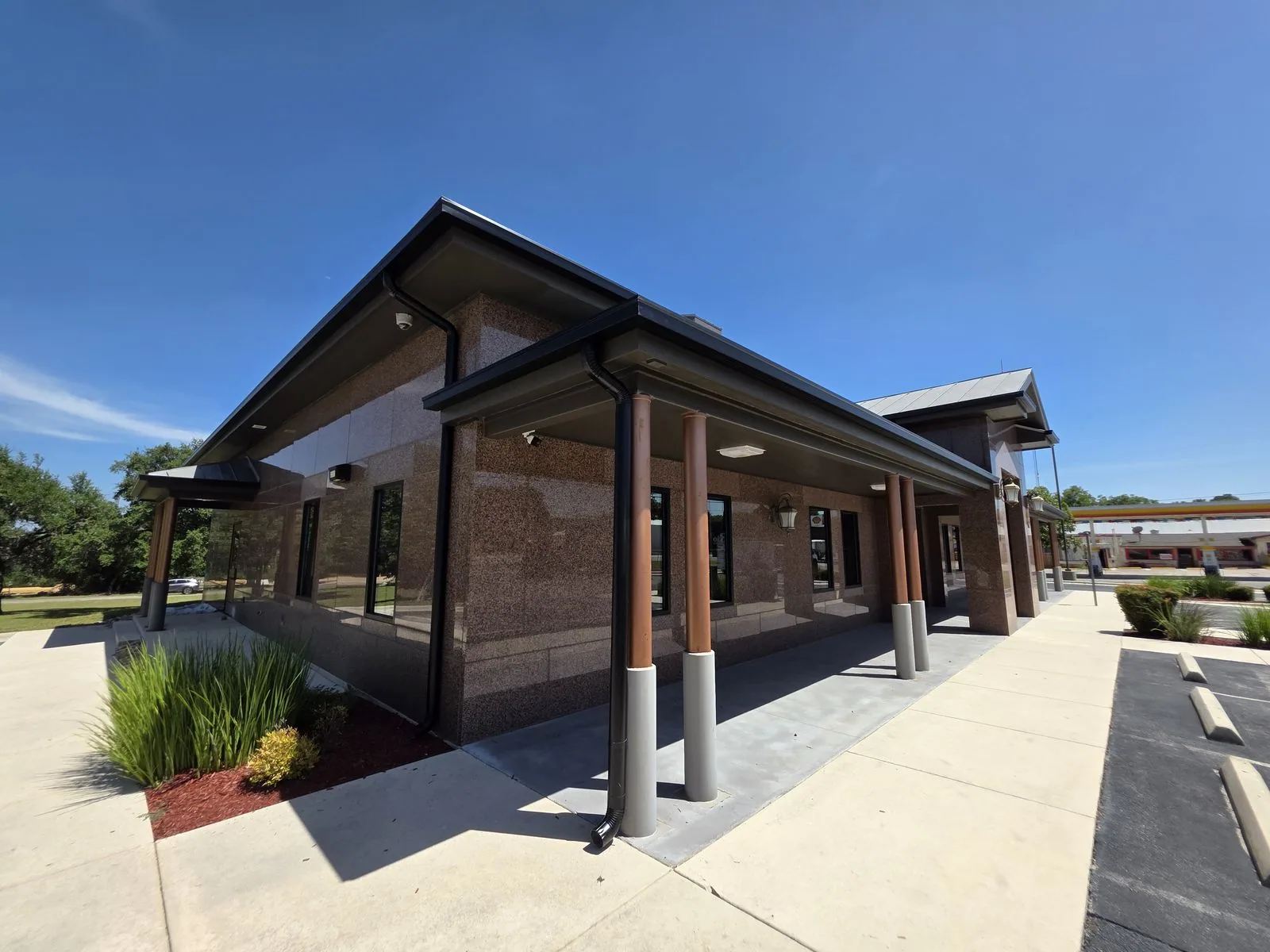 Commercial Edge Metal, Coping, Gutters, and DownspoutsScope, options and next stepsLearn More
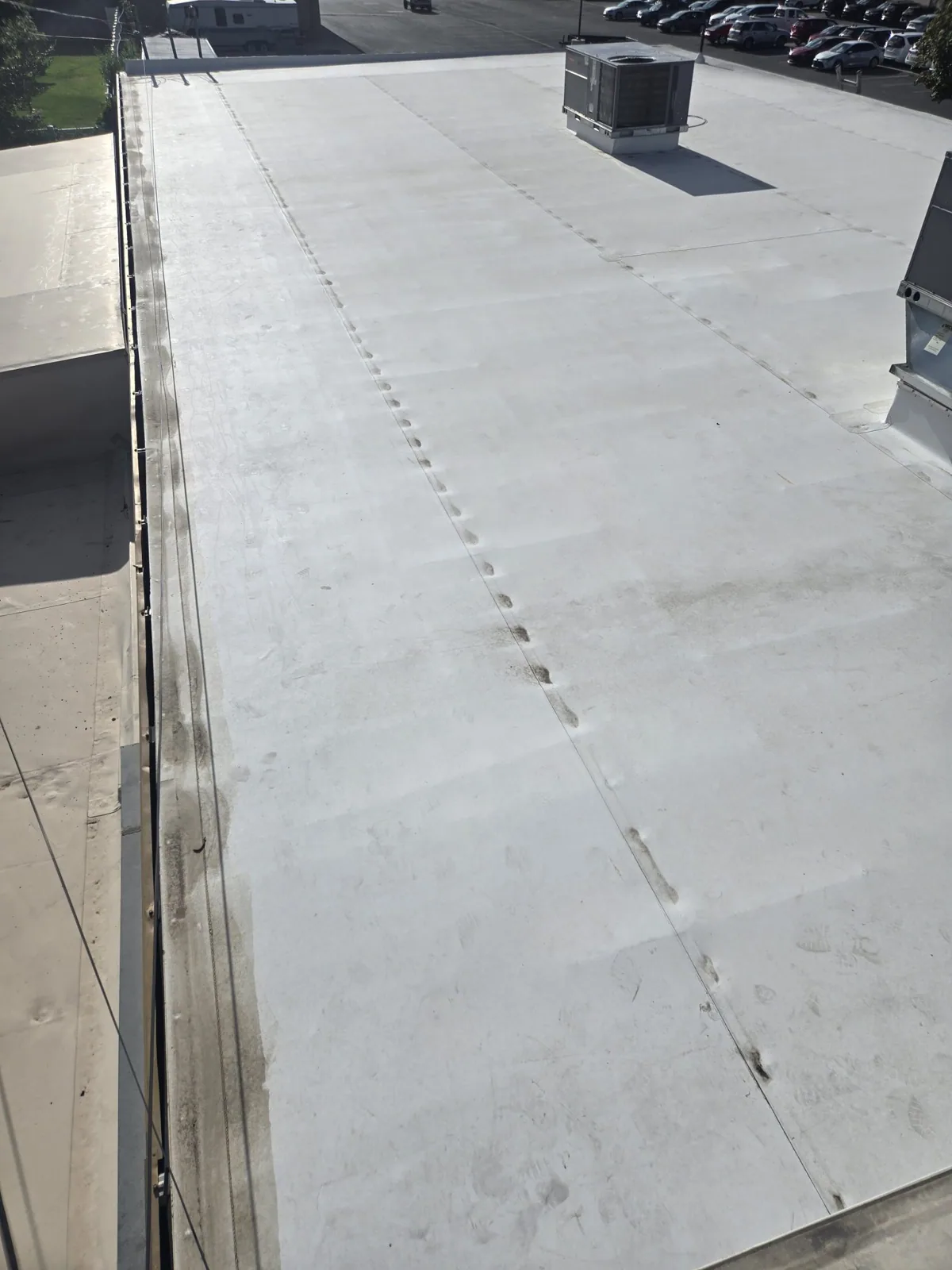 Commercial Roof RepairWhat the work involvesLearn More
Compare the layers, not just the cap sheet
Share roof plans, leak locations, prior repairs, known assemblies, access limits, and the required installation method. We can inspect the roof and define the repair or replacement boundary for review.
Contact Us
Talk to a Santa Ana Commercial Roofer
Tell us about the building, the roof and what you are seeing. An active leak, storm damage, a worn membrane or a replacement you need to budget for, we will set a time to walk the roof.
After the visit you get photos of what we found and a written scope with clear options, so you can decide on repair, coating or replacement with real information in hand.
Call to schedule a roof assessment
Santa Ana, Orange, Tustin, Irvine, Costa Mesa and nearby cities
Request a Roof Assessment
©2026 Commercial Roofers Santa Ana
All Rights ReservedPrivacy PolicyTerms of ServiceSitemap