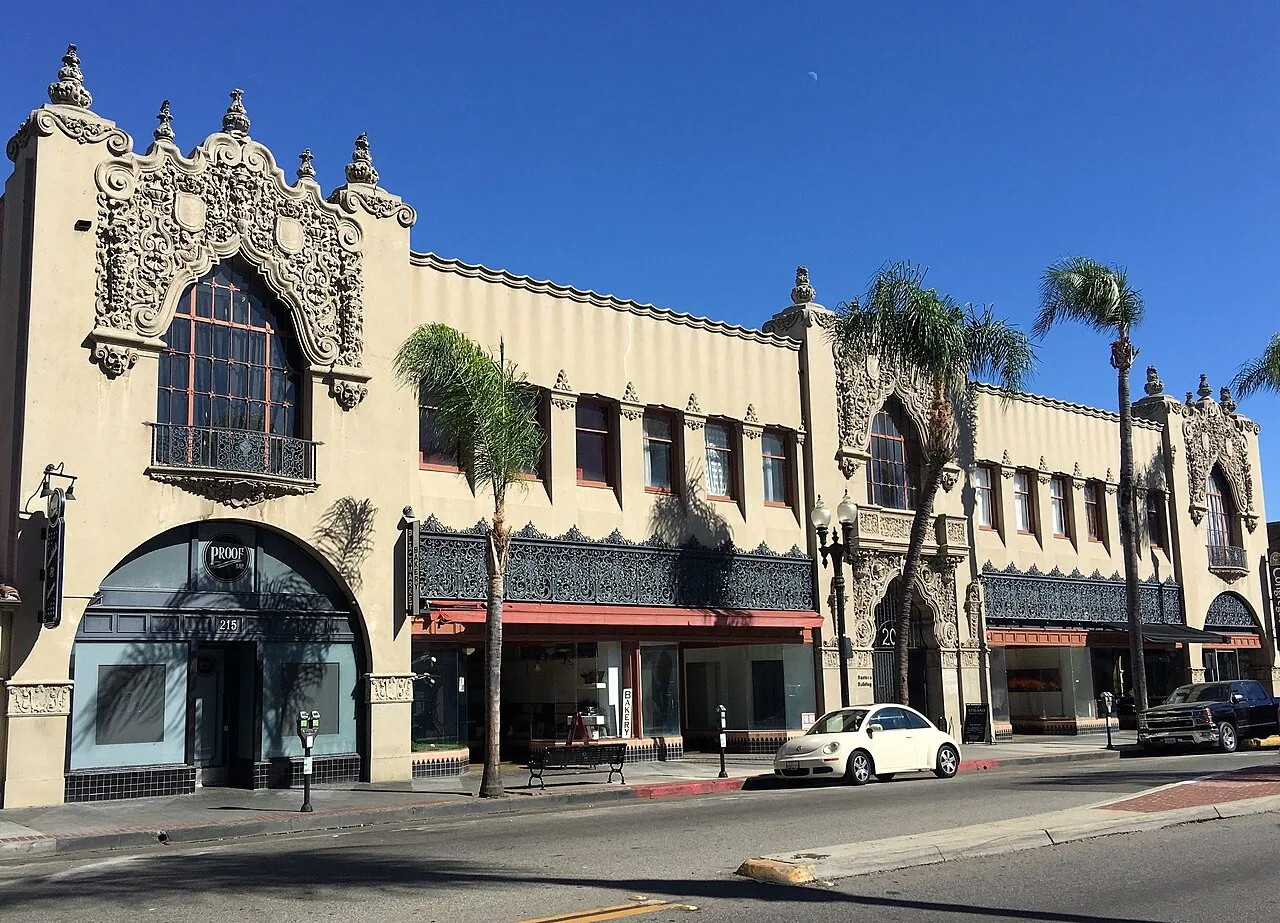
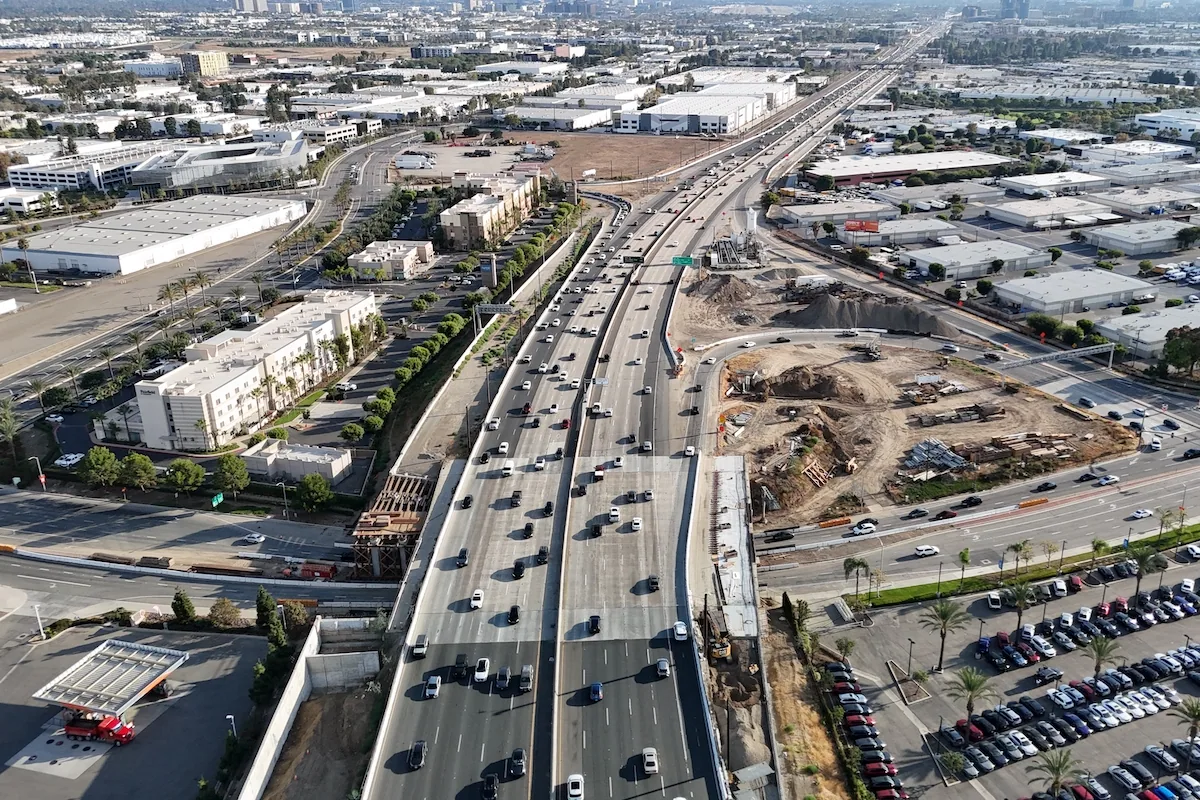
A large retail roof can hide several drainage zones, later additions and rows of rooftop units under one address. Our first step is to split the roof into sections that can be inspected and closed up independently. We record the membrane type, deck transitions, drains, skylights, HVAC rows and the loading-side edge. Santa Ana's 55 Freeway and Dyer Road focus area includes commercial and flex-industrial uses, but the roof plan still has to reflect the specific building. Orange properties have their own access rules and site layouts. A district name doesn't define a roof boundary or grant access.
Commercial Roof Service555-555-5555
Big-Box Retail Roofing in Santa Ana, CA
How should a large roof be divided for inspection?
We work from a roof plan that separates the sales floor, receiving area, offices, canopies and later additions. Drains and overflow points are marked before we pick inspection routes. A wide roof can slope in more than one direction, so we record changes in deck elevation and any interior walls that interrupt water flow. Each zone gets the same label on photos, repair records and the bid scope.
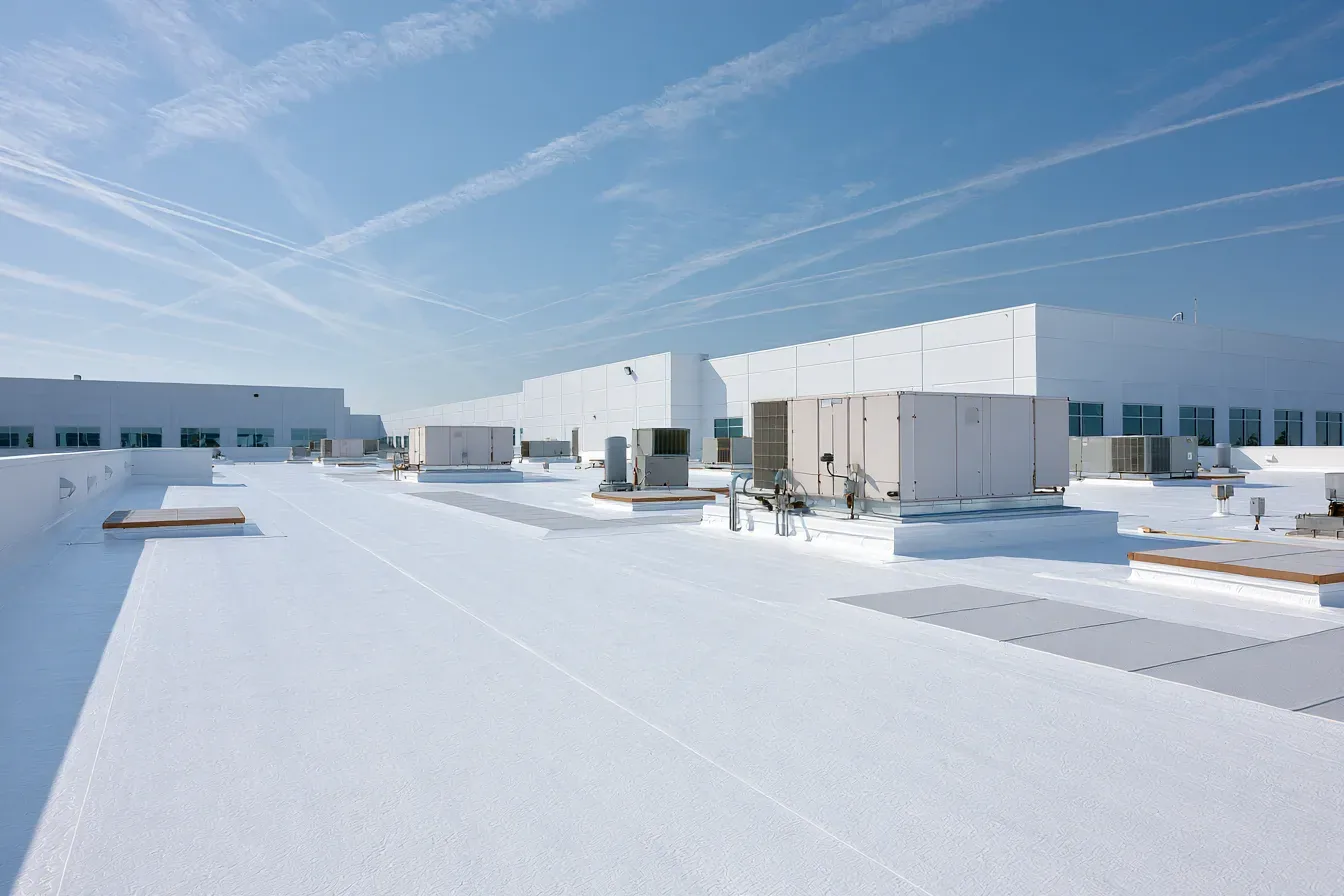
We also check whether the roof is one continuous system or several tied together over the years. An addition may have a different deck, insulation thickness or membrane. We photograph the transition from both sides and locate the tie-in. The roof inspection identifies visible conditions and any areas that need a test cut or follow-up. The surface alone can't tell you what an unseen layer looks like.
What changes near receiving and loading areas?
Receiving doors, compactors, dock equipment and delivery lanes create a different work area from the customer entrance. We confirm delivery windows, truck turning paths, overhead doors and pedestrian routes with site management. Roof access may sit near an active yard, but materials shouldn't be staged where they narrow a delivery route or block required access. The lift location, ground protection and spotter plan are set before we mobilize.
Roof openings over receiving areas need a set closing sequence. If insulation or deck is removed, we agree on how the crew protects the interior at the end of each shift and who checks the space below. We never leave a roof section open when crews move to another zone. Any temporary dry-in is described by location, materials and the follow-up it needs, so store staff and the next roofing crew know exactly where things stand.
Which rooftop details deserve close review?
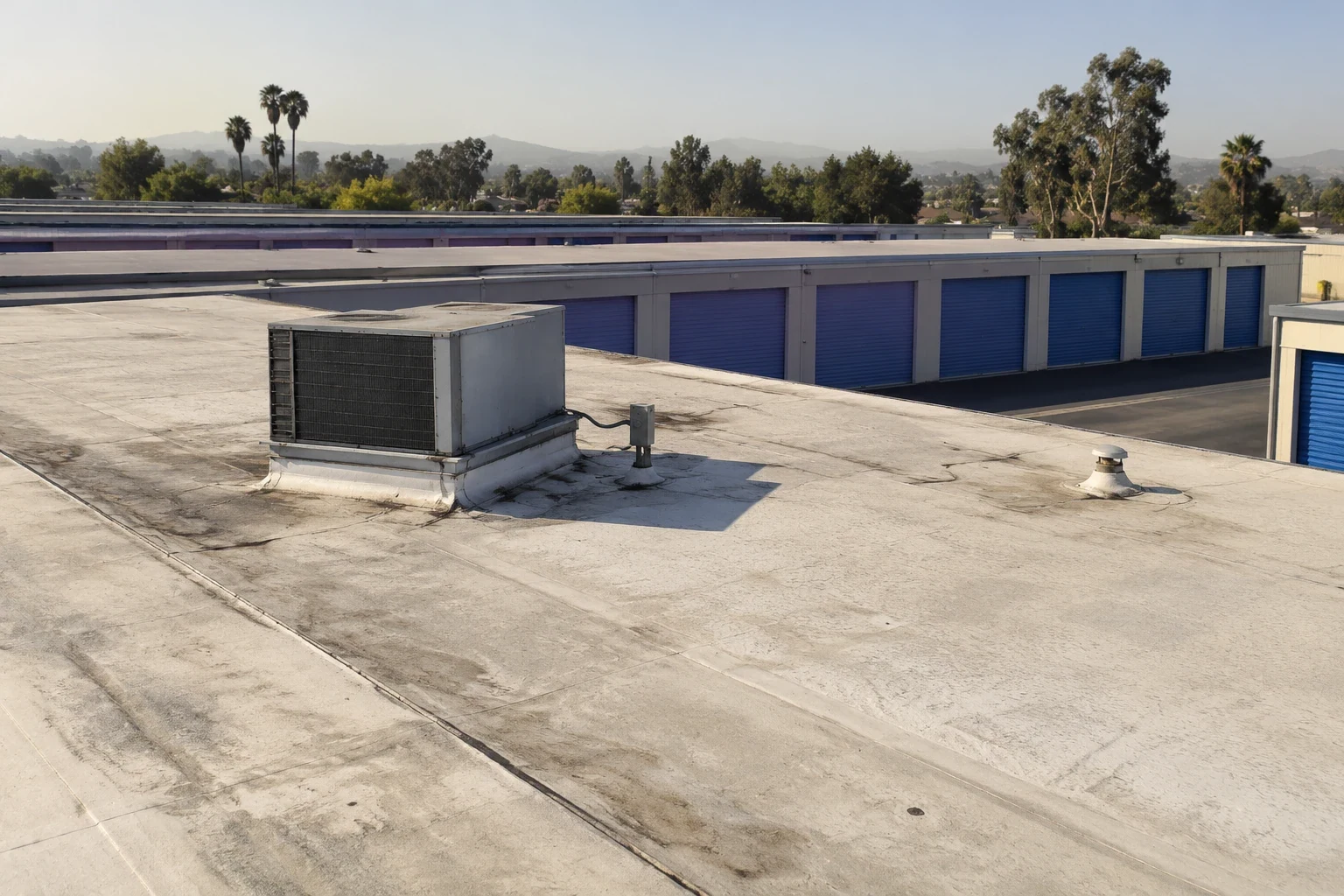
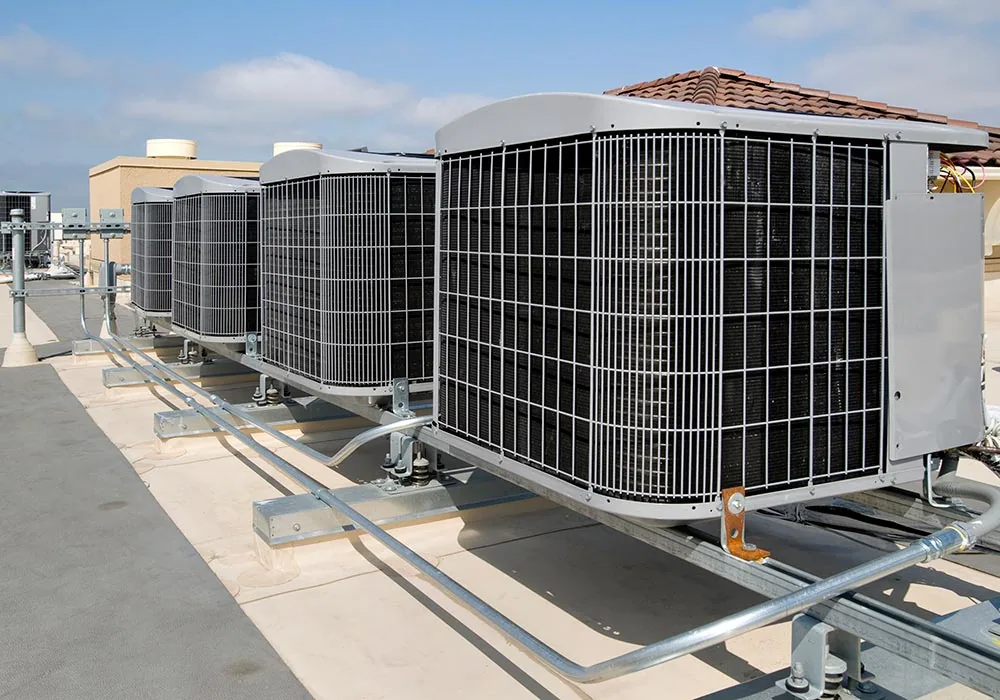
We map HVAC units, exhaust fans, skylights, plumbing vents, conduit and abandoned supports, and look for loose counterflashing, open seams, ponding around curbs and patches that cross incompatible materials. For every unit, we record curb condition and service clearance. An HVAC technician may need the same roof path the roofing crew uses, so we keep walk pads in place or agree on a temporary route.
Before equipment is moved, someone is assigned to disconnect, lift, reset and reconnect it. The curb and support scope describes flashing tie-ins and any new roof opening. We coordinate any solar, electrical or mechanical work that shares the roof. If another trade cuts a new penetration after roofing is done, the owner needs a clear record of who restores the seal.
Perimeters, corners, parapets and equipment curbs get a close look at fastening and flashing. We look for lifted metal, loose fasteners, open laps and sealant that has pulled away from a termination. Southern California wind events make an edge inspection worthwhile, but damage is documented, not assumed. We photograph the detail, mark it on the plan and compare the repair with the existing system.
An edge defect shouldn't be covered with a surface patch if the metal or the blocking behind it has come loose. We determine whether the scope needs new cleats, fasteners or a continuous termination. The edge-metal review covers those connections. Repair limits stay clear where canopy roofing, wall cladding and the main roof meet, since those may have different installers and warranties.
How can drainage problems be found before replacement?
We trace each low area to its drain, scupper or gutter and confirm the outlet is open. Strainers, drain bowls, overflow heights and maintenance access are recorded. Water marks at a parapet or dock wall can point to a path that starts well away from the interior stain. When it's safe, we note ponding after rain and compare it with roof slope and drain heights.
A replacement can change the finished roof height at drains and edges. We check whether added insulation affects drain clamping rings, door thresholds, equipment curbs or wall terminations. The drainage review lists each outlet and the fix it needs before membrane goes down. Temporary protection is kept off the drains, and we check the flow path again when each work area is closed.
Can roof work proceed while the store remains open?
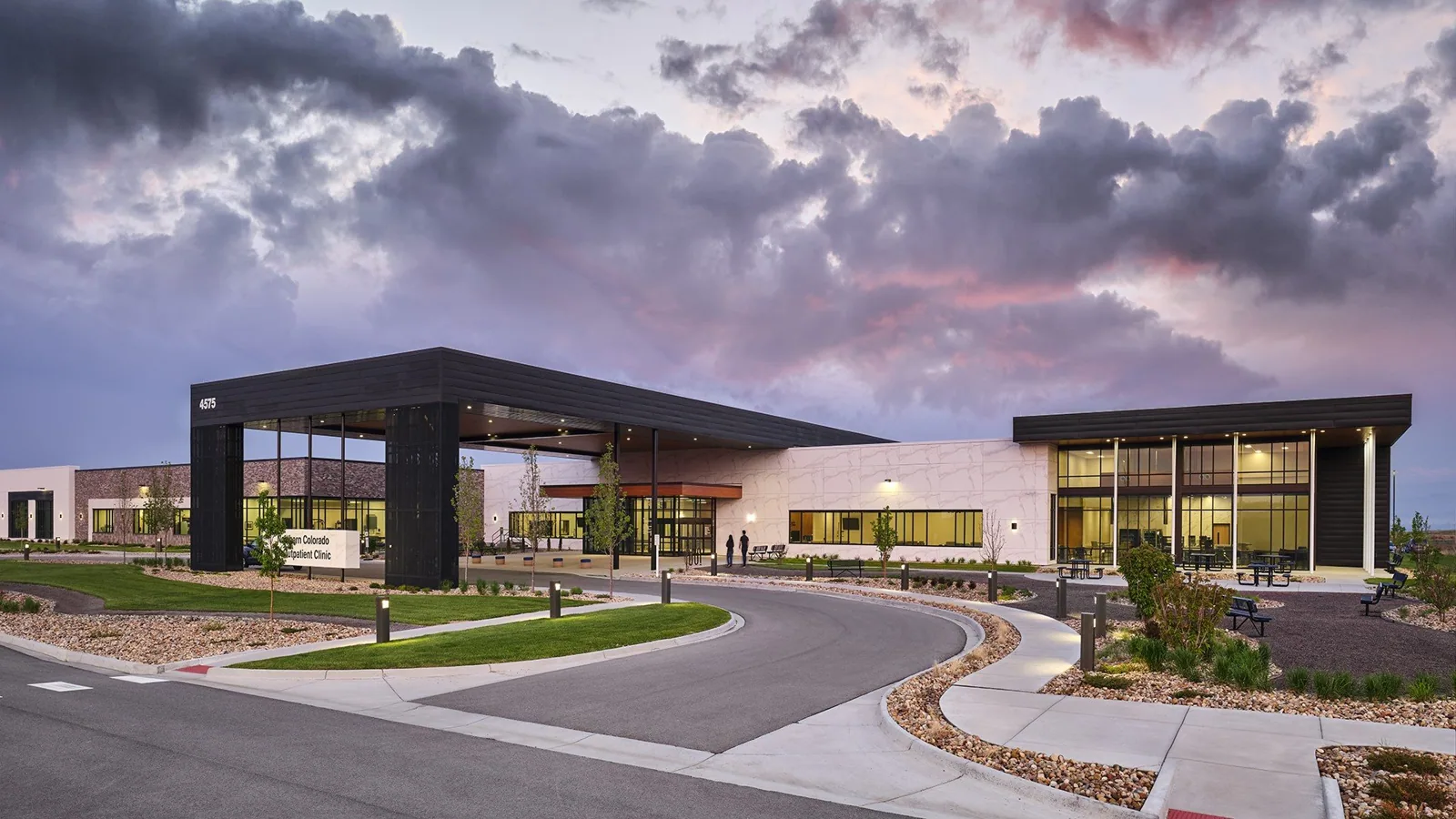
Work zones are set around customer entrances, accessible paths, deliveries and employee access. We agree on barriers, warning signs, lift timing and where removed material goes. Noise, odor, vibration and overhead work affect different parts of the store, so tasks are scheduled by location. The occupied-building plan names the store contact, the crew lead and who can approve a daily change.
For each phase, we state how the roof will be closed before the crew leaves and who checks interior protection below. If weather or access delays a planned tie-in, we identify a safe stopping point and the temporary condition left in place. Merchandise and equipment are protected within the owner-approved scope. Fire lanes and exits stay open, and the alternate pedestrian route is confirmed before equipment arrives.
When does a local repair become a capital project?
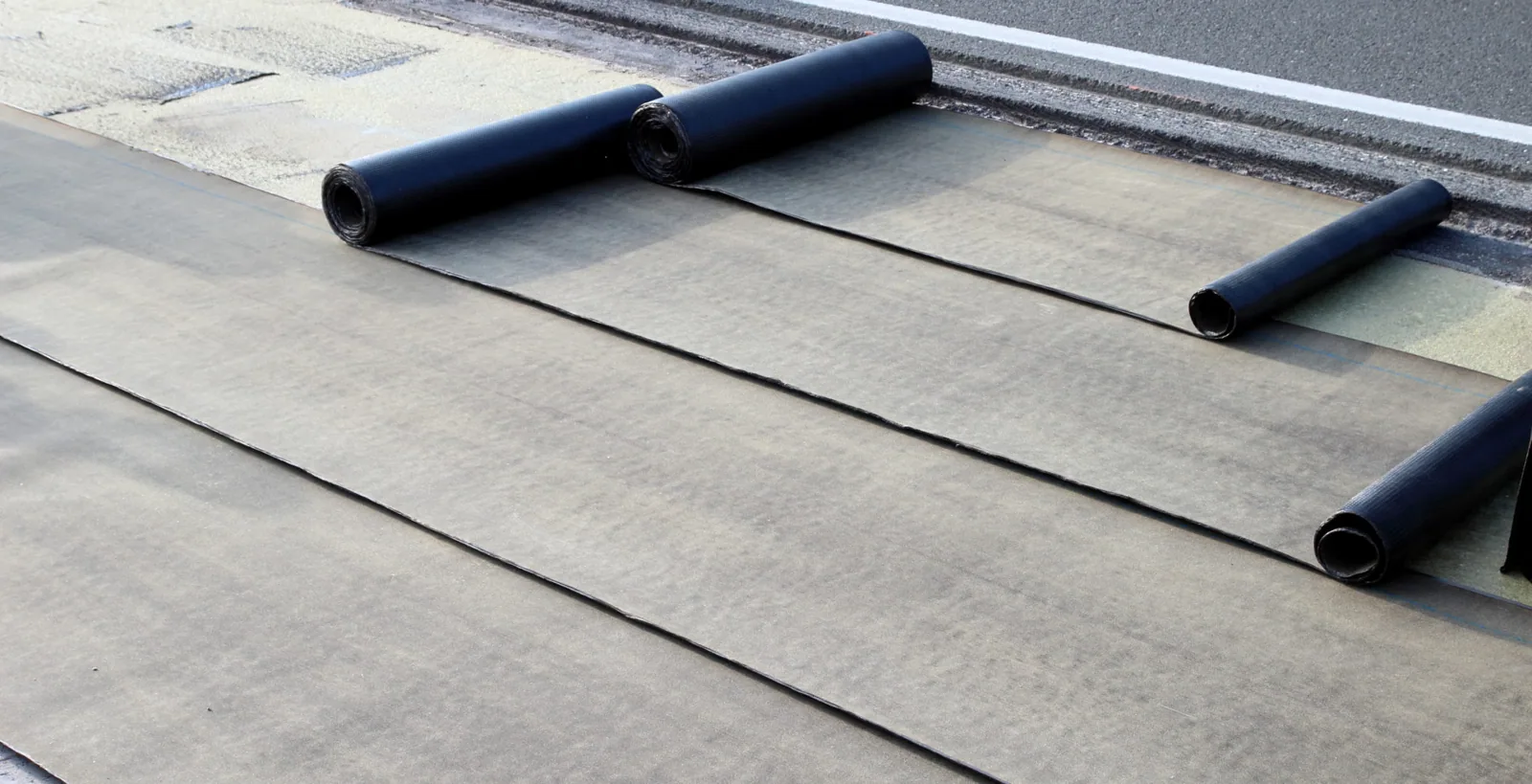
A repair may make sense when the membrane is sound around the leak and the insulation and drainage still work. Widespread seam failure, wet insulation, repeat interior leaks or failing perimeter details can justify looking at a larger area. Inspection findings and approved test cuts help separate a local problem from a roof-wide one, and each proposed boundary states the evidence behind it.
We compare repair and replacement using the same roof zones, access limits, equipment assumptions and interior-protection plan. A canopy or separate receiving roof is listed as its own scope. The replacement plan covers sequencing, drainage corrections, insulation, edge work and closeout records. A useful estimate shows exclusions and owner decisions before mobilization.
What should the owner receive at closeout?
At closeout you receive a marked roof plan, repair photos, material information, warranty documents when applicable and a list of unresolved conditions. Each item is labeled by roof zone and date. The record notes whether a drain was cleared, an edge was reset or a temporary repair still needs permanent work, so facilities staff can connect a later leak report to the area already inspected.
We walk the roof and the ground routes with the site contact to confirm drains are open, staging is removed, access panels are secured and loading and customer paths are restored. On a multi-phase project, finished zones are listed separately from remaining work. A neighboring shopping center or warehouse may share vendors, but its roof plan and maintenance history belong to that property. Future inspection dates stay tied to the actual roof system and repair history.
Questions About Big-Box Retail Roofing
Often. The phasing plan must protect open roof edges, drains, customers, deliveries, and the interior below each section.
No. Record drainage zones, additions, equipment areas, and separate roof assemblies so findings have usable boundaries.
Confirm who supports or moves each unit, who restores services, and how the roofer ties the membrane into the curb.
Compare documented wet insulation, recurring failures, seams, edges, and drainage against the cost and limits of repeated repairs.
The marked roof plan, dated photos, material records, warranty information, open items and a list of completed zones.
Related Roofing Work
 55 Freeway/Dyer Road AreaSee how we handle itLearn More
 Commercial Roof InspectionScope, options and next stepsLearn More
 Commercial Rooftop Equipment Curbs and SupportsWhat the work involvesLearn More
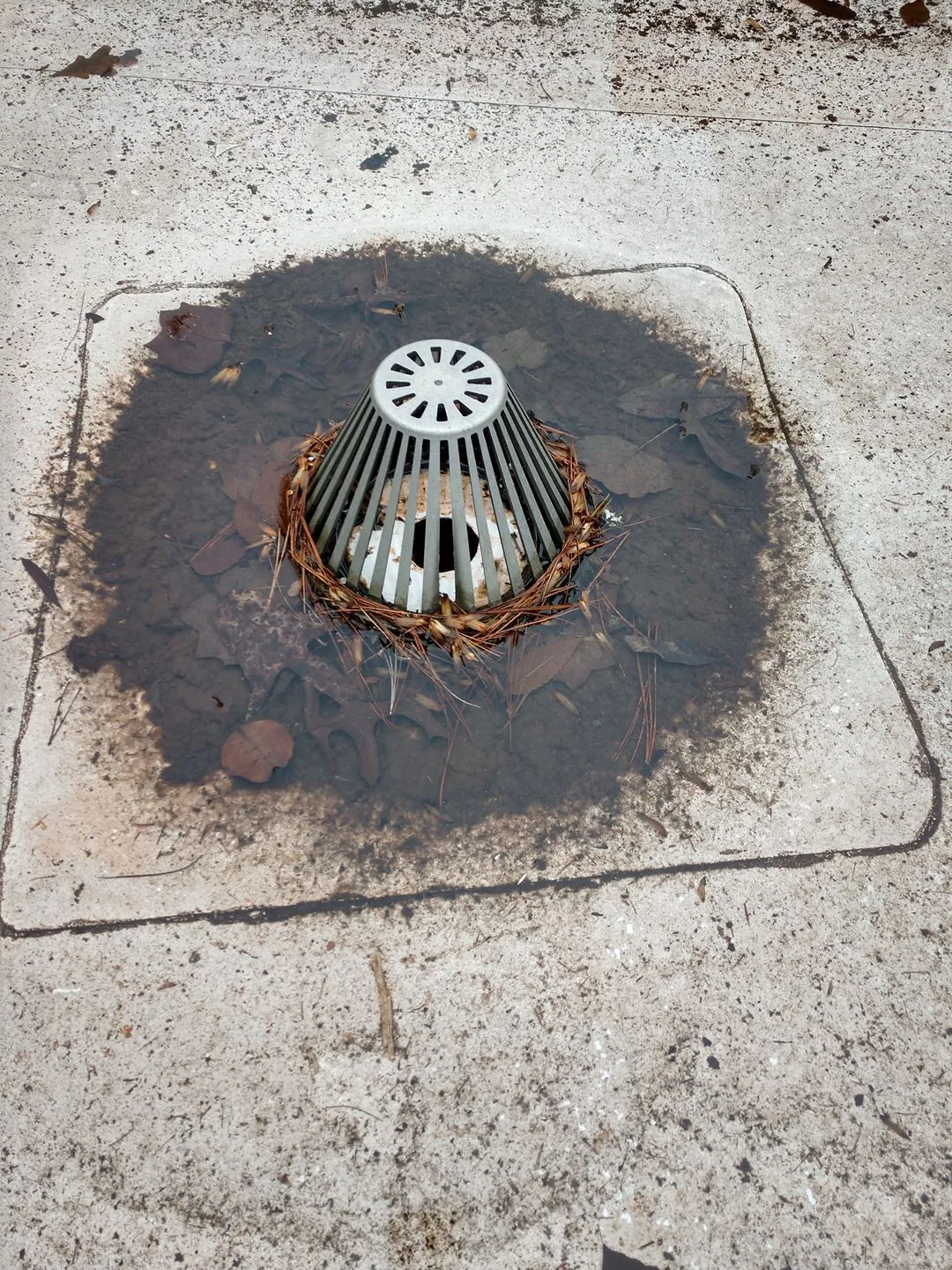 Commercial Roof Drains and ScuppersSee how we handle itLearn More
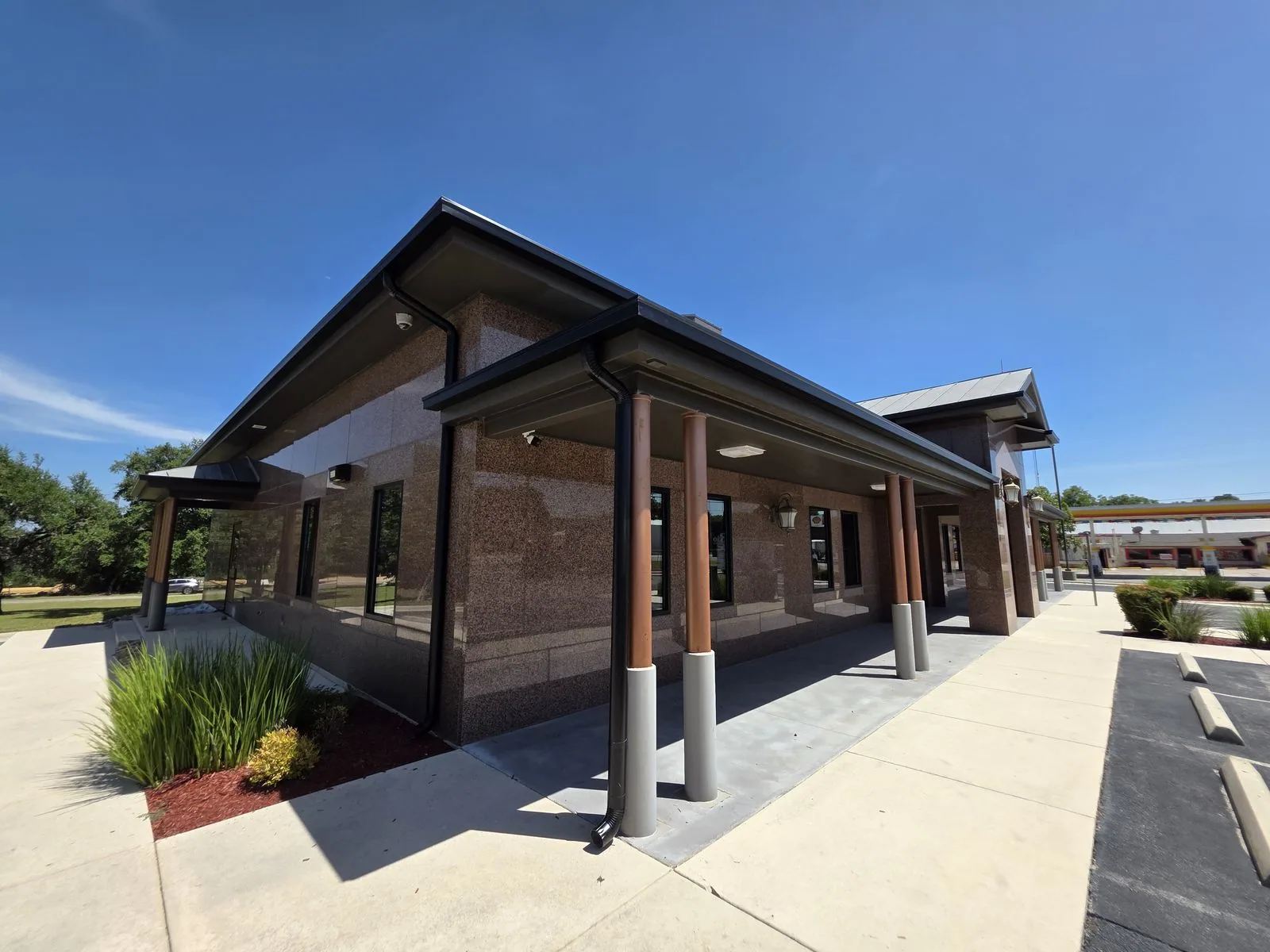 Commercial Edge Metal, Coping, Gutters, and DownspoutsScope, options and next stepsLearn More
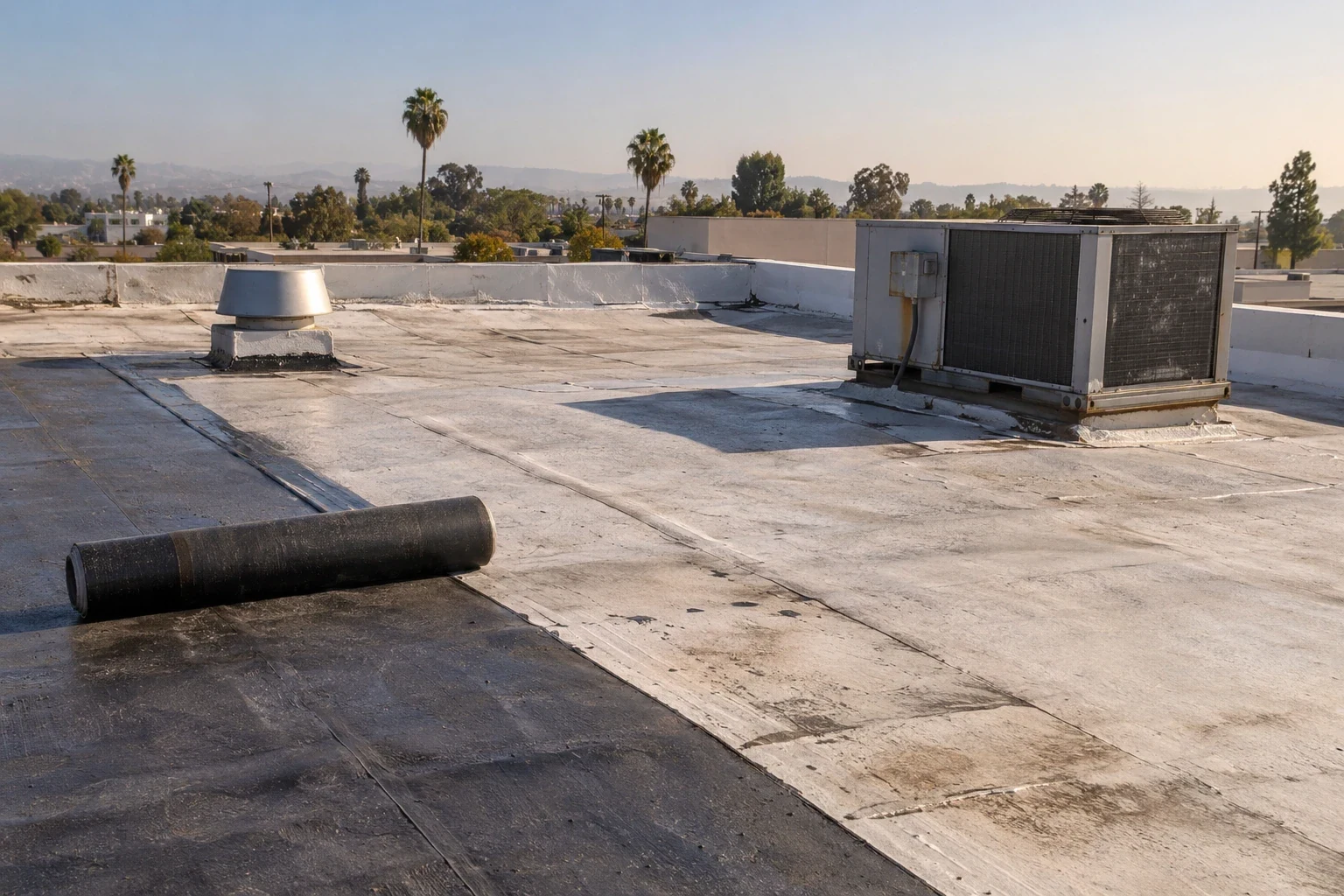 Occupied Building ReroofingWhat the work involvesLearn More
Plan roofing around store operations
Share roof plans, delivery schedules, equipment access, leak history, and site contacts. We can inspect defined roof zones and prepare a phased scope.
Contact Us
Talk to a Santa Ana Commercial Roofer
Tell us about the building, the roof and what you are seeing. An active leak, storm damage, a worn membrane or a replacement you need to budget for, we will set a time to walk the roof.
After the visit you get photos of what we found and a written scope with clear options, so you can decide on repair, coating or replacement with real information in hand.
Call to schedule a roof assessment
Santa Ana, Orange, Tustin, Irvine, Costa Mesa and nearby cities
Request a Roof Assessment
©2026 Commercial Roofers Santa Ana
All Rights ReservedPrivacy PolicyTerms of ServiceSitemap