A stain over the sales floor may start near a refrigeration curb, an exhaust penetration, or a drain several roof bays away. Grocery roof work begins by matching the report to a roof zone and checking the path water can take through the assembly. Map refrigeration equipment, kitchen exhaust, skylights, drains, and receiving areas before setting the repair limit. Santa Ana’s commercial areas include stores with different roof systems and operating demands. Each site needs its own access and protection plan.
Commercial Roof Service555-555-5555
Grocery Store Roofing in Santa Ana, CA
How should a leak over food areas be investigated?
Record the affected room, ceiling point, time, weather, and any change in refrigeration or exhaust operation. Ask staff whether water is active, intermittent, or tied to a cleaning cycle. Protect product and equipment under the store’s own food-safety procedures before roof access begins. The person reporting a leak may not be the person who can authorize roof entry, so confirm the management contact and access route.
On the roof, inspect directly above and upslope from the stain. Check seams, curb corners, pipe flashings, abandoned supports, and nearby drains. Water can travel along a deck flute or insulation joint before entering the ceiling. A leak repair should identify the observed condition, the area opened, and whether the work is a temporary protection or permanent correction. Keep interior protection and roof repairs in one coordinated work note.
What needs attention around refrigeration equipment?
Map rooftop condensers, refrigerant piping, electrical conduit, service platforms, and line-support points. Inspect curb corners and flashing where vibration, thermal movement, or repeated service access may have affected the membrane. Look for unsupported lines, sharp contact points, displaced walk pads, and patches around older equipment. Do not assume the roofing contractor can move or disconnect refrigeration equipment; assign that work to the qualified service provider.
Before lifting a unit, confirm the sequence for shutdown, rigging, restart, and temperature checks. The curb and support scope should state who restores the roof tie-in and who verifies the equipment afterward. If a new support or pipe route is planned, approve its location before roof work. One unplanned penetration can complicate warranty, leak tracing, and sanitation coordination.
How should exhaust and grease exposure be handled?
Inspect kitchen exhaust curbs, fan bases, grease containment, and the roof surface around the discharge. Residue can change how repair materials bond, and cleaning methods can affect nearby membrane. Ask how often the hood and fan are serviced and whether cleaners access the roof. Record visible conditions without assuming a specific chemical or concentration. Keep the membrane manufacturer’s compatibility guidance available when selecting primers, cleaners, or patch materials.
Check whether the fan curb is stable and whether flashing is continuous at corners. A disconnected or poorly sealed detail can admit water during rain or washdown. Coordinate access so roofing and exhaust crews do not use the same opening at the same time. If both trades will work in one area, assign responsibility for the final curb, counterflashing, and surface cleanup before the schedule is set.
What should be checked at drains and overflows?
Locate every primary drain, overflow, scupper, and gutter serving the grocery roof. Check for debris, blocked strainers, damaged clamping rings, and standing water around equipment. A drain that is difficult to reach can be overlooked during routine maintenance; mark a safe service path and keep it clear of stored materials. Confirm where discharge flows at grade so water does not create a slip hazard near staff or receiving access.
Keep a seasonal drain and curb checklist with the facility log. Assign a person to report blocked outlets, loose strainers, or new roof penetrations, and set a safe access method for each inspection. Record whether a condition is recurring after rain or after refrigeration service. This separates maintenance observations from a request for immediate repair and helps the roofing team prioritize a site visit. Do not store tools or spare materials where they obstruct drains or equipment service paths.
A recover or replacement may raise finished roof height and change how the membrane meets a drain bowl, curb, wall, or door threshold. Measure the existing assembly where the tie-in will occur. The drainage scope should list outlets and corrections separately from general membrane work. After work, remove construction debris and confirm each outlet is open before the area is accepted.
How can work stay clear of receiving and shoppers?
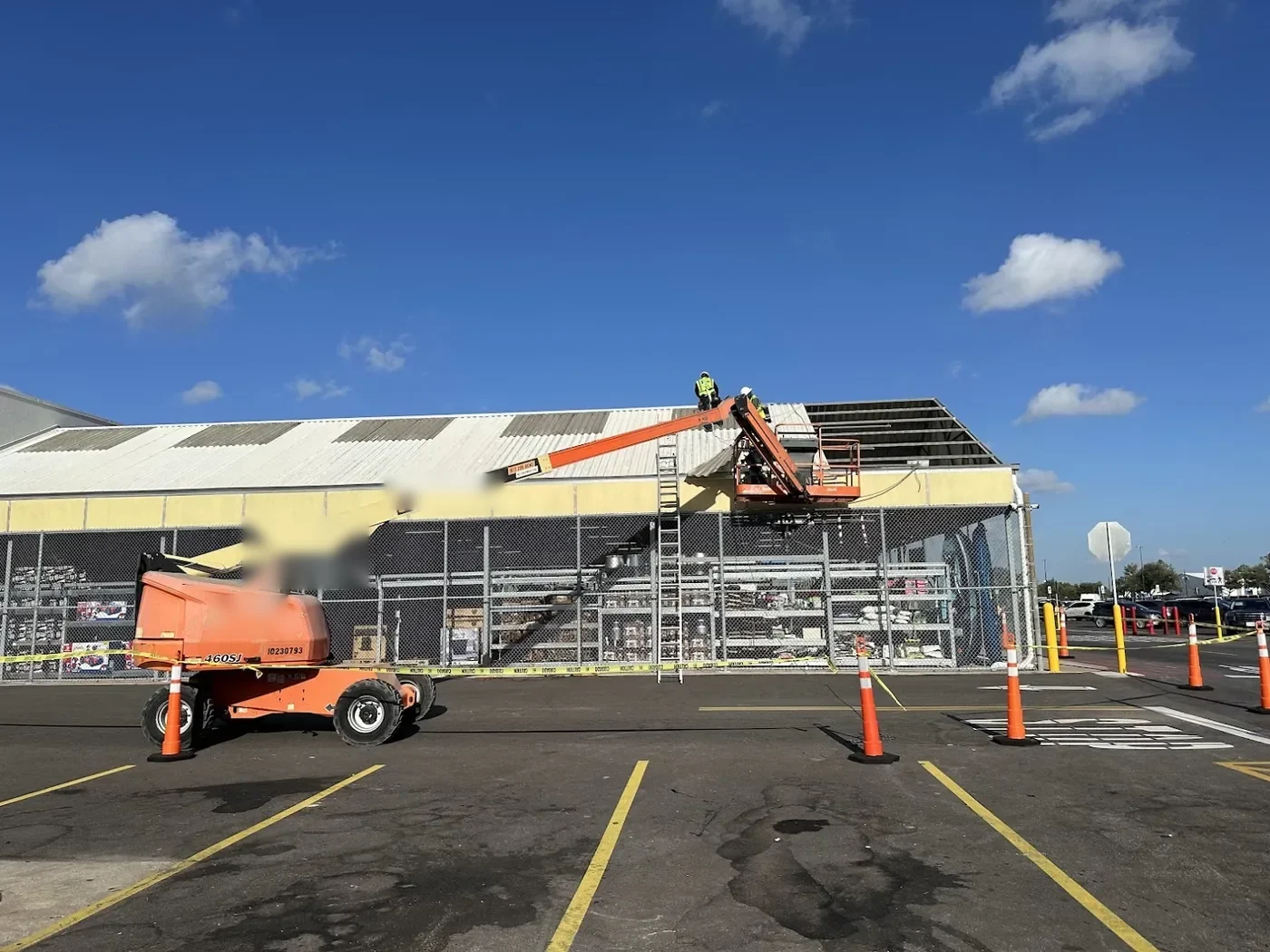
Ask management for delivery windows, customer entry points, staff routes, and any periods when overhead noise is difficult. Plan lifts away from active receiving when practical and agree on ground barriers before material arrives. Maintain fire lanes, accessible paths, and safe entry routes. If staging would affect carts or customer parking, identify another area with the owner rather than leaving a last-minute obstruction.
The occupied-building sequence should show which roof section opens each day, how it will be dried in, and who checks the ceiling space below. Coordinate noisy work with store operations and protect refrigeration controls from dust or water exposure. At shift end, close the membrane, secure tools, and tell the site contact what remains open or under observation. Keep the work zone small enough to inspect and close fully.
When is a repair no longer enough?
A localized repair can work when adjacent membrane, insulation, flashing, and drainage remain sound. Repeated leaks around several curbs, wet insulation in multiple areas, widespread seam separation, or deteriorated edge details can support a larger evaluation. Confirm conditions with inspection and owner-approved openings. Keep the scope boundary tied to documented conditions, not simply to the room where a stain appeared.
Compare repair and replacement with the same assumptions for refrigeration support, store access, protection, drain corrections, and equipment restart. If only one addition uses another membrane or deck, describe it separately. The replacement scope should include the transition details and who accepts each phase. A clear estimate also lists what the store or refrigeration contractor must provide before crews mobilize.
What records help facilities staff after the work?
Keep dated roof photographs, a marked equipment and drain plan, material information, repair notes, and names of the contacts who approved access. Log whether the repair was permanent and whether an interior ceiling or insulation check remains. Label images by store section instead of relying on a general roof photo. These records shorten the next investigation because staff can compare a new report with the last documented condition.
For grocery operators with locations in Tustin and Orange, keep separate equipment plans and leak logs for each store.
At closeout, walk drains, roof paths, receiving routes, and the area below the repaired section. Confirm refrigeration equipment has returned to service when it was part of the work. Note any follow-up inspection after the next rain if a temporary measure remains. A restaurant roof may have more concentrated exhaust exposure, while a shopping center has multiple tenant boundaries; keep this grocery roof file specific to the store and its equipment.
Questions About Grocery Store Roofing
Usually it can be phased, with approved work zones, food-area protection, customer routes, and clear daily closure checks.
Assign disconnect, rigging, restart, and temperature verification to the qualified refrigeration provider and identify the roofer’s tie-in scope.
Water may travel across a deck or insulation joint, so the roof investigation should check upslope details and nearby drains.
Yes. Identify the affected surface and confirm cleaning and material compatibility before applying a repair.
Keep the marked plan, dated photos, material records, equipment coordination, repair limits, and any open follow-up items.
Related Roofing Work
 South Coast MetroSee how we handle itLearn More
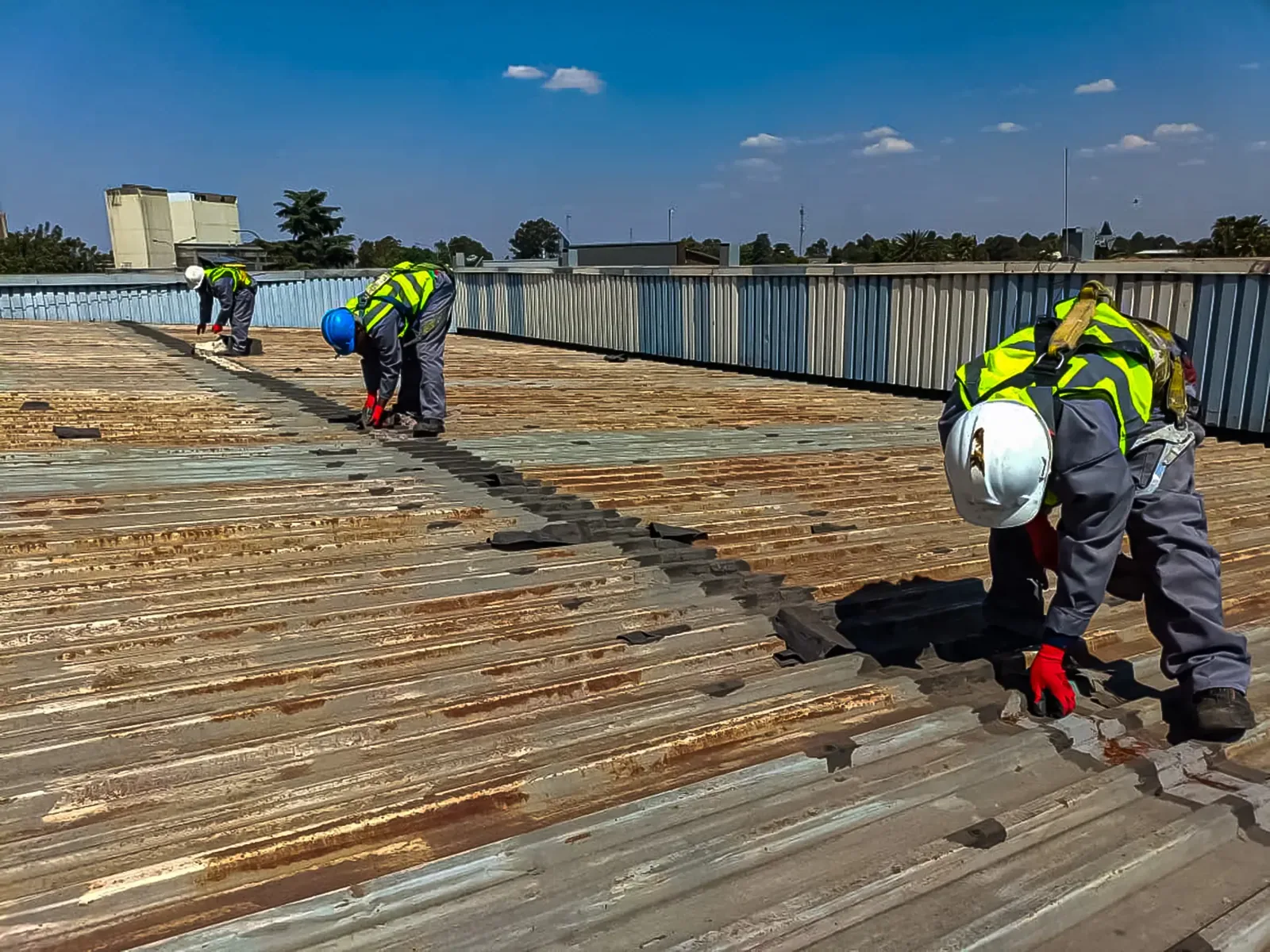 Commercial Roof Leak RepairScope, options and next stepsLearn More
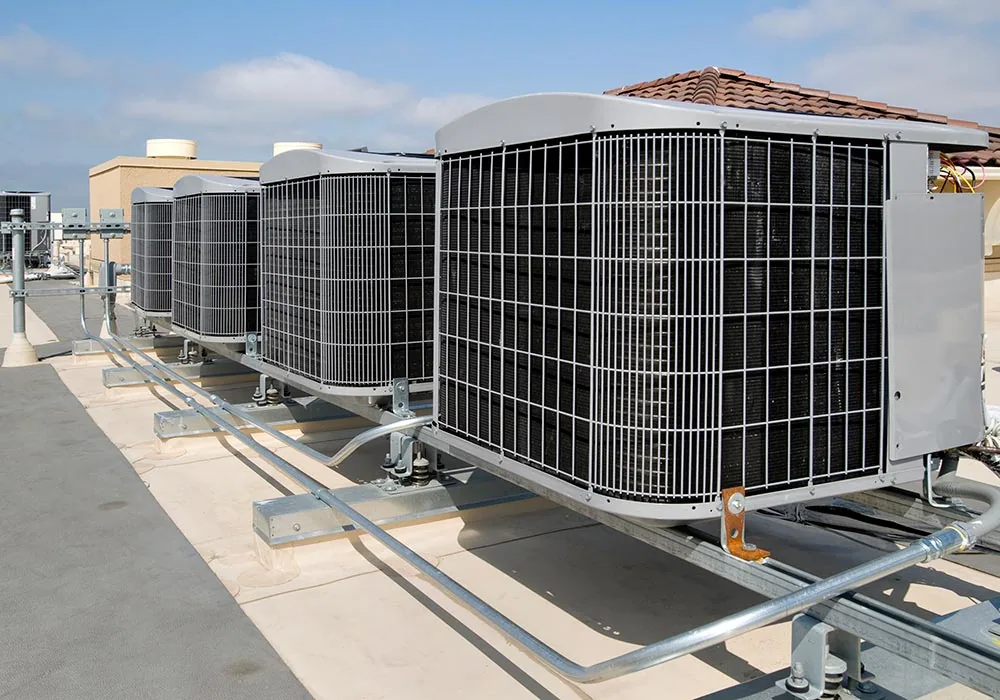 Commercial Rooftop Equipment Curbs and SupportsWhat the work involvesLearn More
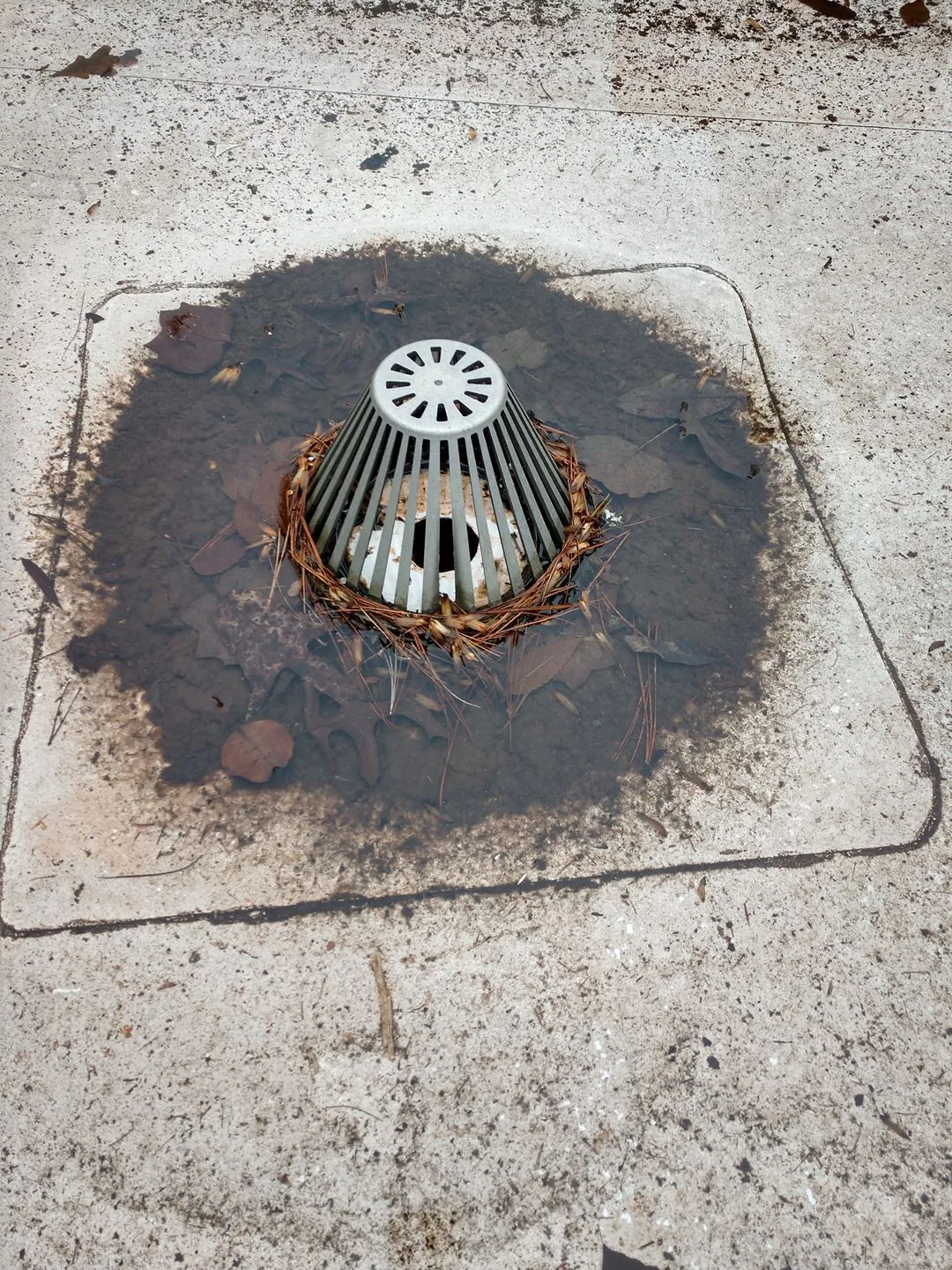 Commercial Roof Drains and ScuppersSee how we handle itLearn More
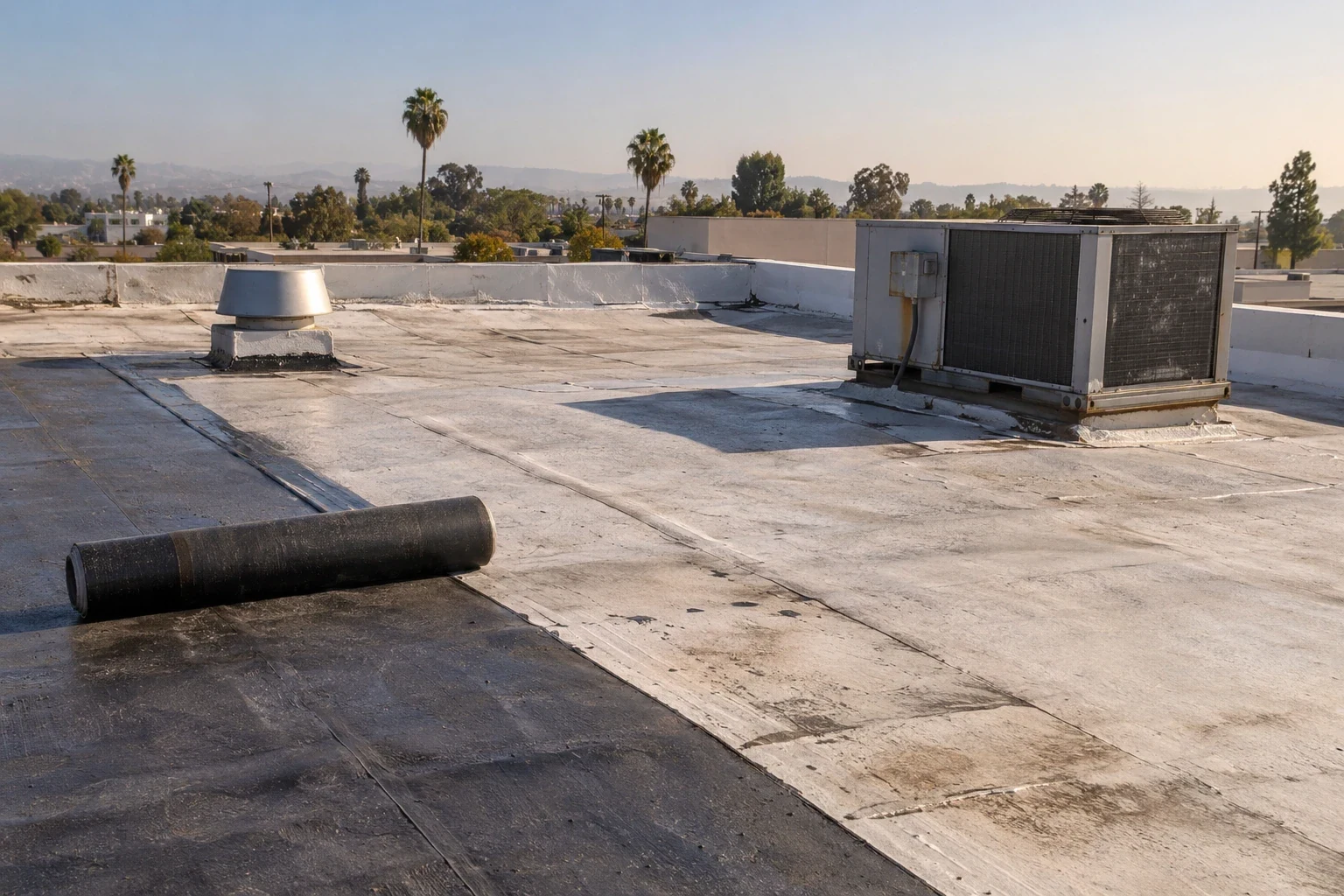 Occupied Building ReroofingScope, options and next stepsLearn More
 Commercial Roof ReplacementWhat the work involvesLearn More
Coordinate roof work with store operations
Share equipment locations, receiving windows, access contacts, leak reports, and interior-protection requirements. We can inspect the roof and define a practical repair boundary.
Contact Us
Talk to a Santa Ana Commercial Roofer
Tell us about the building, the roof and what you are seeing. An active leak, storm damage, a worn membrane or a replacement you need to budget for, we will set a time to walk the roof.
After the visit you get photos of what we found and a written scope with clear options, so you can decide on repair, coating or replacement with real information in hand.
Call to schedule a roof assessment
Santa Ana, Orange, Tustin, Irvine, Costa Mesa and nearby cities
Request a Roof Assessment
©2026 Commercial Roofers Santa Ana
All Rights ReservedPrivacy PolicyTerms of ServiceSitemap