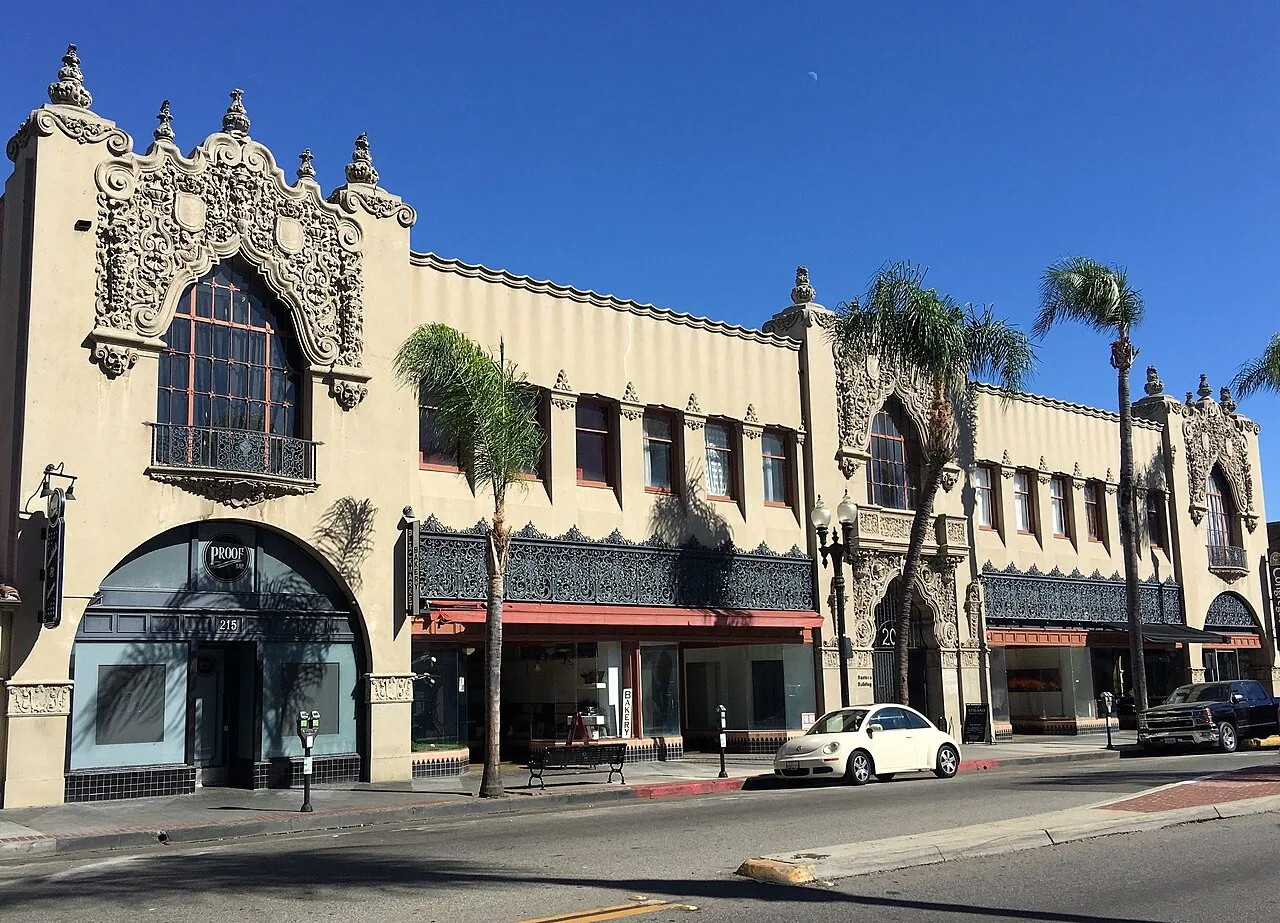
Roof work over an active dealership has to protect the building and the vehicles, customers, and staff below it. Begin by separating showroom, service-bay, parts, office, and canopy roofs where they exist. Map drains, rooftop equipment, access points, and the areas that must remain open. Dealership operators in Orange and Tustin may run different sites and service schedules; each roof plan should reflect its own layout.
Commercial Roof Service555-555-5555
Auto Dealership Roofing in Santa Ana, CA
How should a leak above the showroom or service bay be traced?
Record the interior location, time, weather, and whether water is active. Identify whether the affected space contains customer seating, vehicle lifts, diagnostic equipment, or stored parts. Management decides how to protect vehicles and whether an area should close. Confirm who can authorize roof access and whether a service bay needs an escort or shutdown before inspection.
On the roof, inspect above and upslope from the report. Check seams, curb flashings, drains, skylights, exhaust, and prior patches. Water can travel along a deck before reaching a light, ceiling panel, or wall. A leak-repair scope should identify the defect, repair materials, limits, and whether temporary protection remains. Keep the interior and roof findings connected in the work record.
How should dealership areas be divided for roofing?
Mark each building, roof elevation, canopy, and addition. A showroom may have a different membrane or deck from the service wing, and a later parts or office addition may have a separate tie-in. Label drains, roof transitions, skylights, equipment, and access routes by zone. If one roof section opens above a service area, confirm whether work can continue below and what protection the owner requires.
Keep the repair scope tied to the boundary that can be isolated safely. If showroom and service roofs meet, photograph the seam, flashing, or wall termination at the interface. Record who owns adjacent cladding and any canopy support before bidding the tie-in. Where a facility includes body or paint work, ask management which exhaust or ventilation controls must remain active; do not assume every dealership has those systems. The site contact should identify any sensitive diagnostic or storage area below the roof before a test opening is approved.
Inspect each assembly instead of copying the scope from a neighboring roof. Record substrate changes, seams, edge attachment, and repair history. A roof inspection should identify visible issues, uninspected areas, and any approved test opening. Use a marked plan and consistent photo labels so management can compare the report with its own building drawings.
Can work proceed while sales and service remain open?
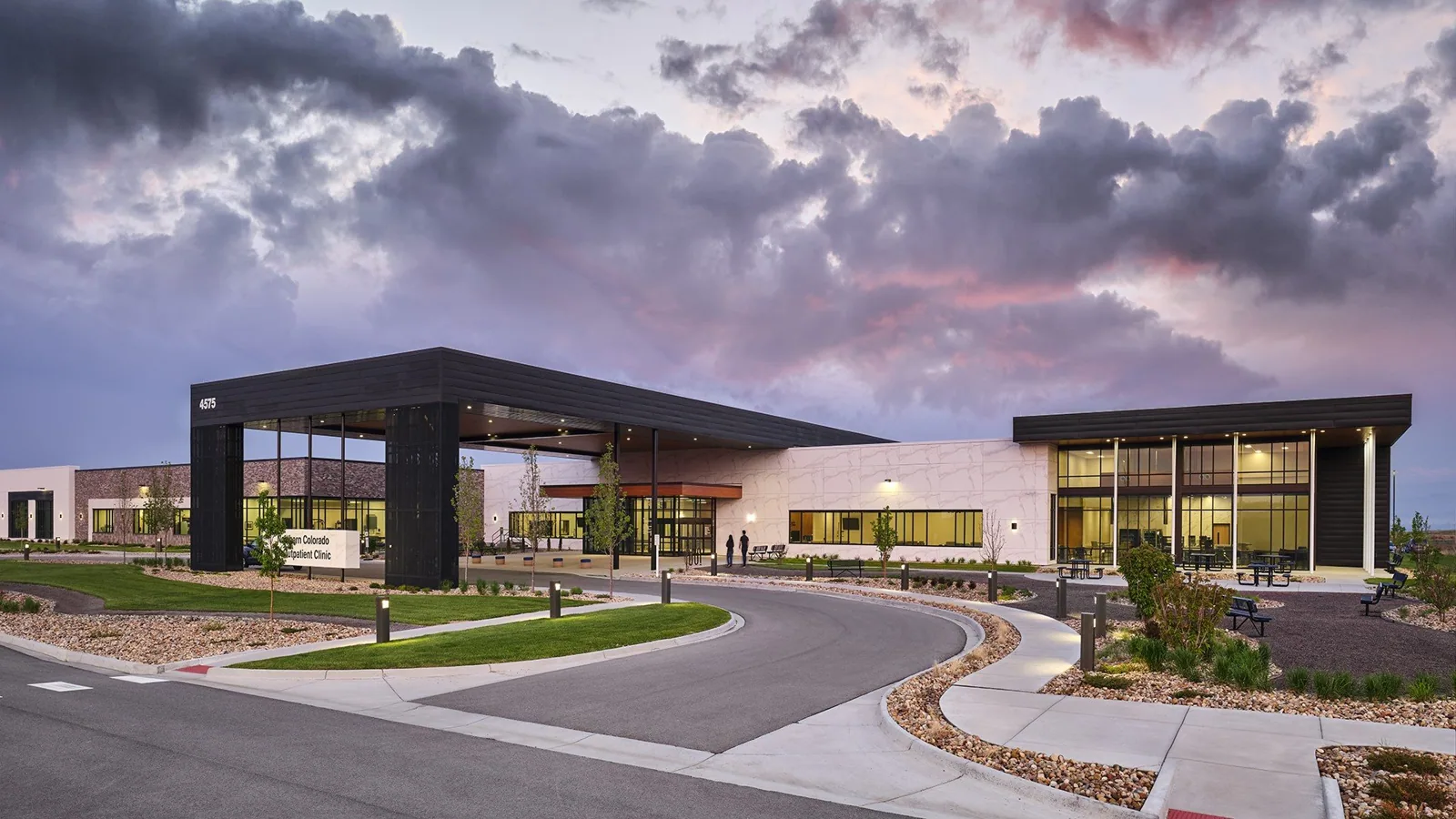
Confirm customer entry, vehicle drop-off, pickup, parts receiving, test-drive routes, and service hours. Schedule lifts and material deliveries with the site manager. Do not stage roofing material over an active vehicle lane or customer path. Identify which parking rows or service doors may be temporarily unavailable and who can approve the change. Preserve accessible paths, fire access, and a safe route into the building.
Before material arrives, confirm where the truck can unload without blocking a vehicle delivery or parts route. Decide how a finished car is protected if a roof zone sits above outdoor inventory. A manager should identify the person who can move vehicles or close a parking area. If an unexpected deck condition stops the crew, tell service leadership which bay or route remains affected and when the next update will arrive.
The occupied-building sequence should show work zones, barriers, noise windows, daily closure, and who checks vehicles or equipment below an opening. If odor, dust, or falling debris could affect the showroom or service operation, state the controls before work begins. Give the service manager an update when the boundary changes and confirm the bay is ready before staff return vehicles to it.
What should be reviewed around dealership equipment?
Map HVAC, exhaust, compressors, plumbing vents, conduit, and any rooftop supports. Check curb corners, flashing, fasteners, condensate routes, and the condition of walk pads. Confirm equipment ownership and identify who can disconnect or move each unit. Service-bay ventilation and other operating systems may have specific shutdown limits, so include the responsible dealership contact in the schedule.
If a unit is lifted, assign who will support it, reset it, and test operation. The roof scope should state how flashing will be restored and how new supports will be sealed. Coordinate any equipment contractor’s roof traffic with the roofer to avoid punctures or damaged seams. Record final unit locations and any new penetrations before closeout.
Where can roof water affect vehicles and entries?
Trace roof slope to drains, scuppers, gutters, and overflows. Check for debris, standing water, damaged strainers, and downspouts that discharge near the showroom, vehicle pickup, or service entrance. Photograph the outlet and the route water takes at grade. An interior leak and a ground-level drainage concern may have different causes, so keep each finding distinct.
Before adding insulation or a cover board, confirm new height at drain bowls, roof edges, doors, and equipment curbs. Keep outlets open during work and check them after cleanup. A drainage review should list the affected outlet and correction, not simply state that drains were checked. Agree how temporary discharge will be managed without directing water onto vehicles or pedestrian routes.
When should ownership compare repair with a larger project?
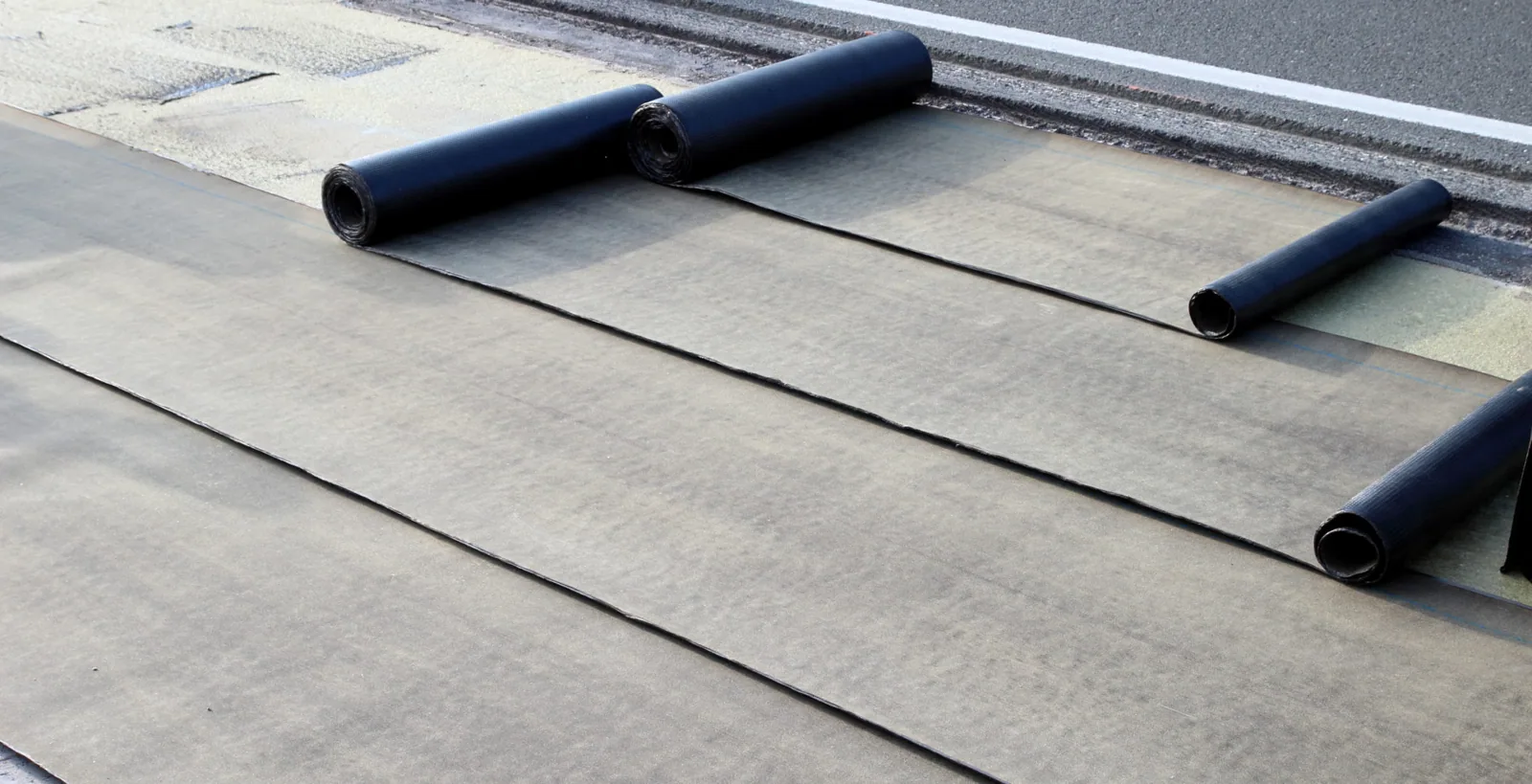
A local repair may work if the surrounding membrane, insulation, seams, drainage, and flashings remain serviceable. Repeated leaks in separate bays, wet insulation, recurring seam failures, or deteriorated edge details can support a broader review. Confirm conditions with inspection and approved openings. A leak over the service lane does not by itself establish the condition of the showroom roof.
Compare alternatives with the same assumptions for vehicle protection, business access, equipment moves, material staging, and daily closure. Separate canopy, showroom, and service-bay roofs if the systems or details differ. Put allowances and exclusions in plain terms. List any interior finishes or signage work outside the roofing contract so management can assign those tasks before the project reaches closeout. Save the signed acceptance with the roof and service records. The owner can then compare repair limits with replacement needs without confusing a temporary dry-in with permanent work.
What should the dealership retain after roof work?
Save the marked roof plan, dated photographs, material records, repair limits, drain observations, equipment changes, and remaining issues. Identify which zones were completed and which were not inspected. Keep vehicle-protection and service-lane restrictions in the site record until management confirms they are removed. If the repair is temporary, record its inspection date and permanent follow-up. Include manufacturer or warranty requirements that affect future service, and identify who may approve a new roof penetration.
Walk the completed area with facilities and service leadership. Confirm the roof is closed, drains are clear, equipment is operating, and customer and vehicle routes are restored. A large retail roof may have different loading needs, and a warehouse may prioritize truck access; the dealership plan should match its sales and service operations.
Questions About Auto Dealership Roofing
Often, with approved work zones, vehicle protection, clear customer routes, and a weather-tight close at each shift.
Only after inspection confirms their assemblies, drainage, and access needs are compatible.
The dealership should identify the system owner and qualified service provider before work is scheduled.
Trace the assembly, drains, and nearby penetrations; water can move before entering the interior.
Keep the roof plan, photos, materials, completed zones, equipment updates, and any temporary repairs or open items.
Related Roofing Work
 OrangeSee how we handle itLearn More
 TustinScope, options and next stepsLearn More
 Commercial Roof Leak RepairWhat the work involvesLearn More
 Commercial Roof InspectionSee how we handle itLearn More
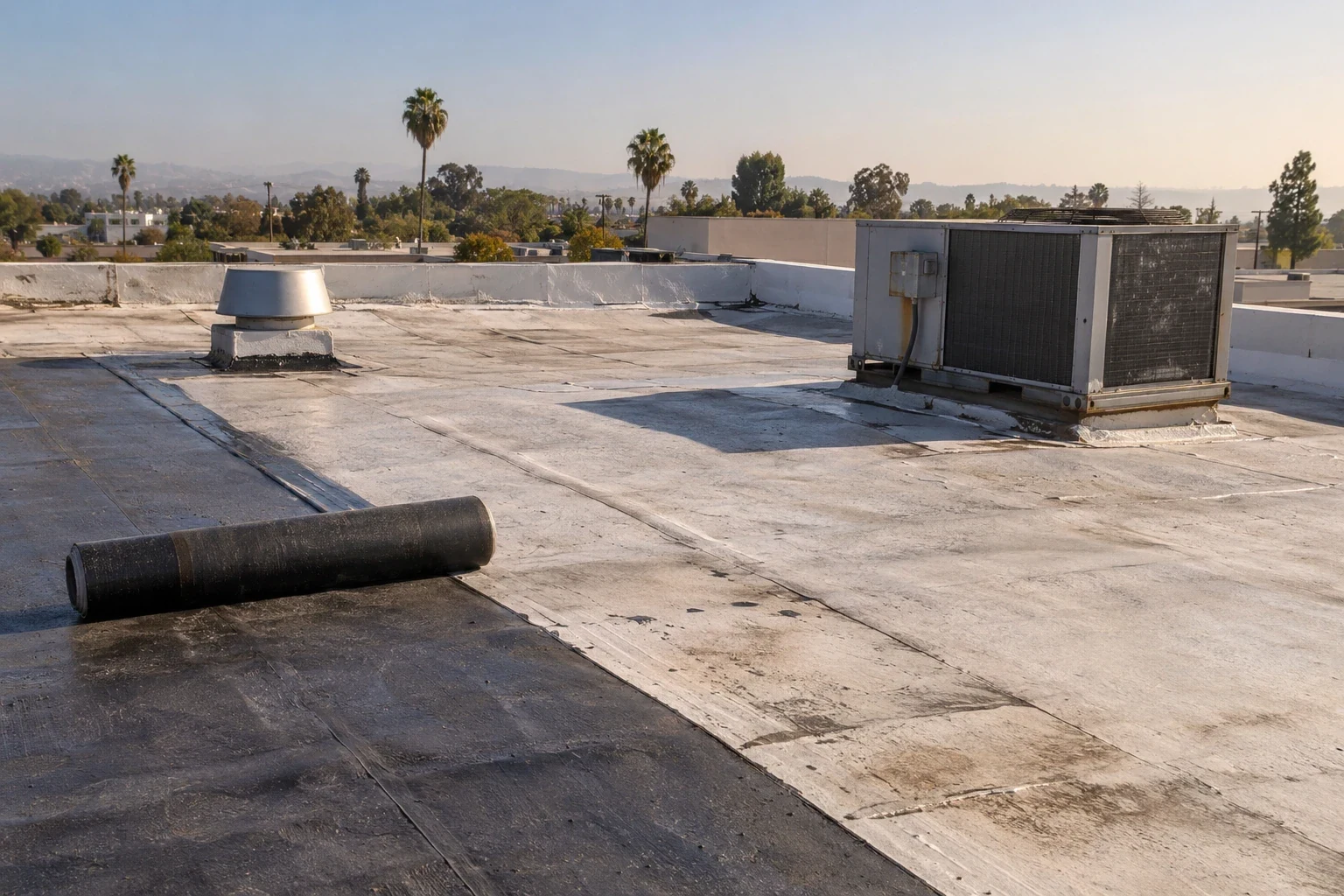 Occupied Building ReroofingScope, options and next stepsLearn More
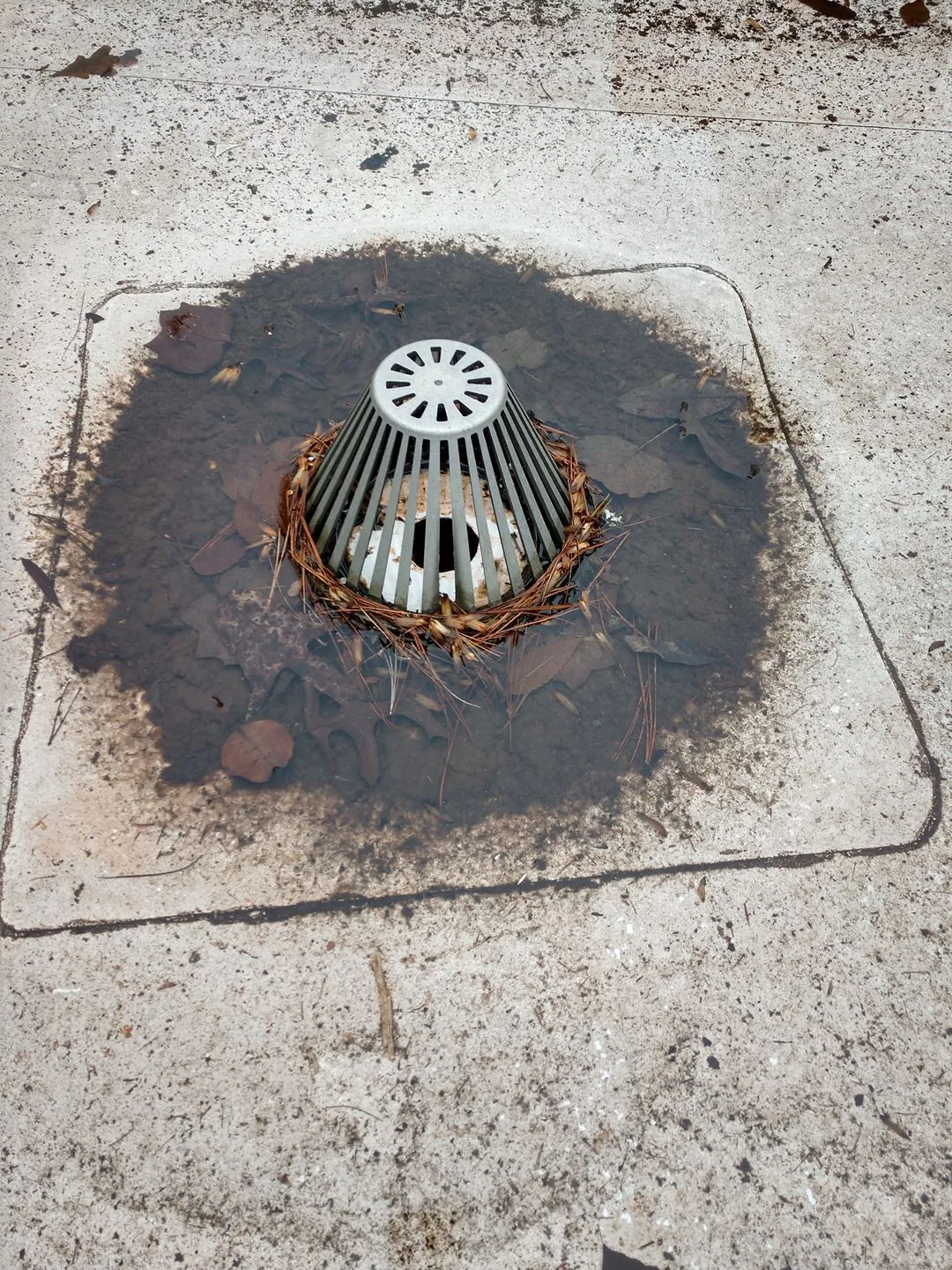 Commercial Roof Drains and ScuppersWhat the work involvesLearn More
Plan roof work around sales and service
Share the roof plan, vehicle routes, service hours, equipment contacts, leak history, and work-zone rules. We can inspect each assembly and phase the work.
Contact Us
Talk to a Santa Ana Commercial Roofer
Tell us about the building, the roof and what you are seeing. An active leak, storm damage, a worn membrane or a replacement you need to budget for, we will set a time to walk the roof.
After the visit you get photos of what we found and a written scope with clear options, so you can decide on repair, coating or replacement with real information in hand.
Call to schedule a roof assessment
Santa Ana, Orange, Tustin, Irvine, Costa Mesa and nearby cities
Request a Roof Assessment
©2026 Commercial Roofers Santa Ana
All Rights ReservedPrivacy PolicyTerms of ServiceSitemap